6.121
Date Code 20171021 Instruction Manual SEL-421 Relay
Protection Applications Examples
Out-of-Step Logic Application Examples
The OSB logic typically supervises forward-looking Zone 1 and Zone 2 because
the operation time of these two zones is ordinarily shorter than the time period
during which the impedance of a power swing resides in these protection zones.
For example, if the period of a swing is 1.5 seconds, OSB logic should supervise
instantaneous Zone 1 and communications-assisted Zone 2.
During a power swing, the relay typically does not block overreaching zones of
protection that provide time-delayed tripping. Do not block reverse-looking
Zone 3 when this zone serves as a starting element for the DCB (directional com-
parison blocking) scheme or when this zone provides current reversal guard for
the POTT (permissive overreaching transfer tripping) scheme. For example, if the
OSB logic inhibits the DCB blocking signal during swings that pass behind the
local relay, over-tripping can occur at the remote terminal. If a power swing
enters both the local reverse-looking Zone 3 and the remote overreaching Zone 2,
high-speed tripping occurs at the remote terminal because OSB logic removes the
local Zone 3 element DCB scheme block.
Set the relay to block Zone 1 and Zone 2.
OOSB1 := Y. Block Zone 1 (Y, N)
OOSB2 := Y. Block Zone 2 (Y, N)
OOSB3 := N. Block Zone 3 (Y, N)
Zone 6 and Zone 7 Impedance Settings
The OOS logic uses two zones of concentric polygons, outer Zone 7 and inner
Zone 6 (see Figure 6.29). The relay uses Zone 6 and Zone 7 for OOS logic timing
to differentiate between power swings and faults. The relay measures a traveling
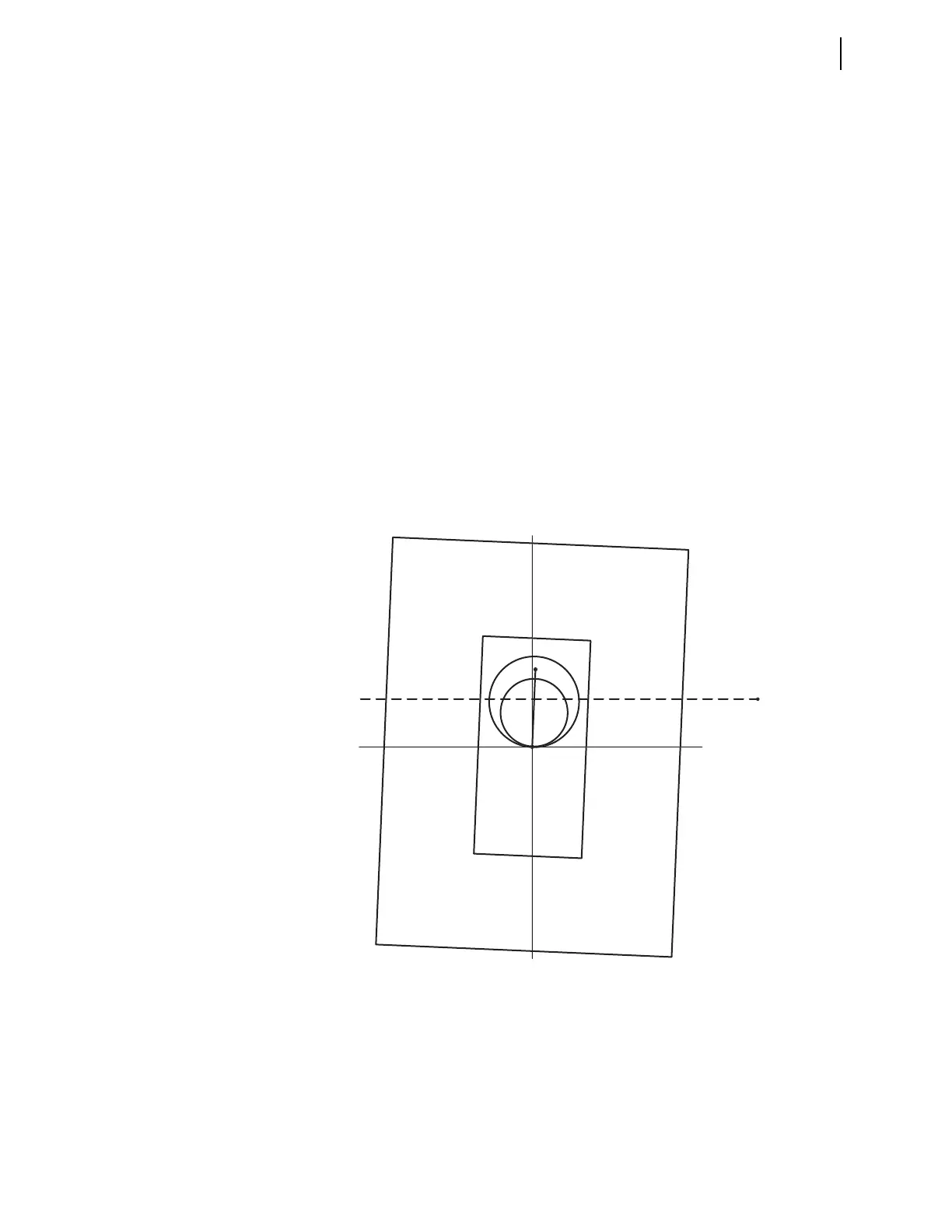
Figure 6.29 OOS Characteristic Settings Parameters
Z
n
2
Z
n
inimu
L
Im
edanc
(Ex
ort
X1T
X1B
R1R
R1L
Tra
ector


 To Next Page