Chapter 8: Downstream Cable Access Modules (DCAMs)
STANDARD Revision 1.0 C4® CMTS Release 8.3 User Guide
© 2016 ARRIS Enterprises LLC. All Rights Reserved. 246
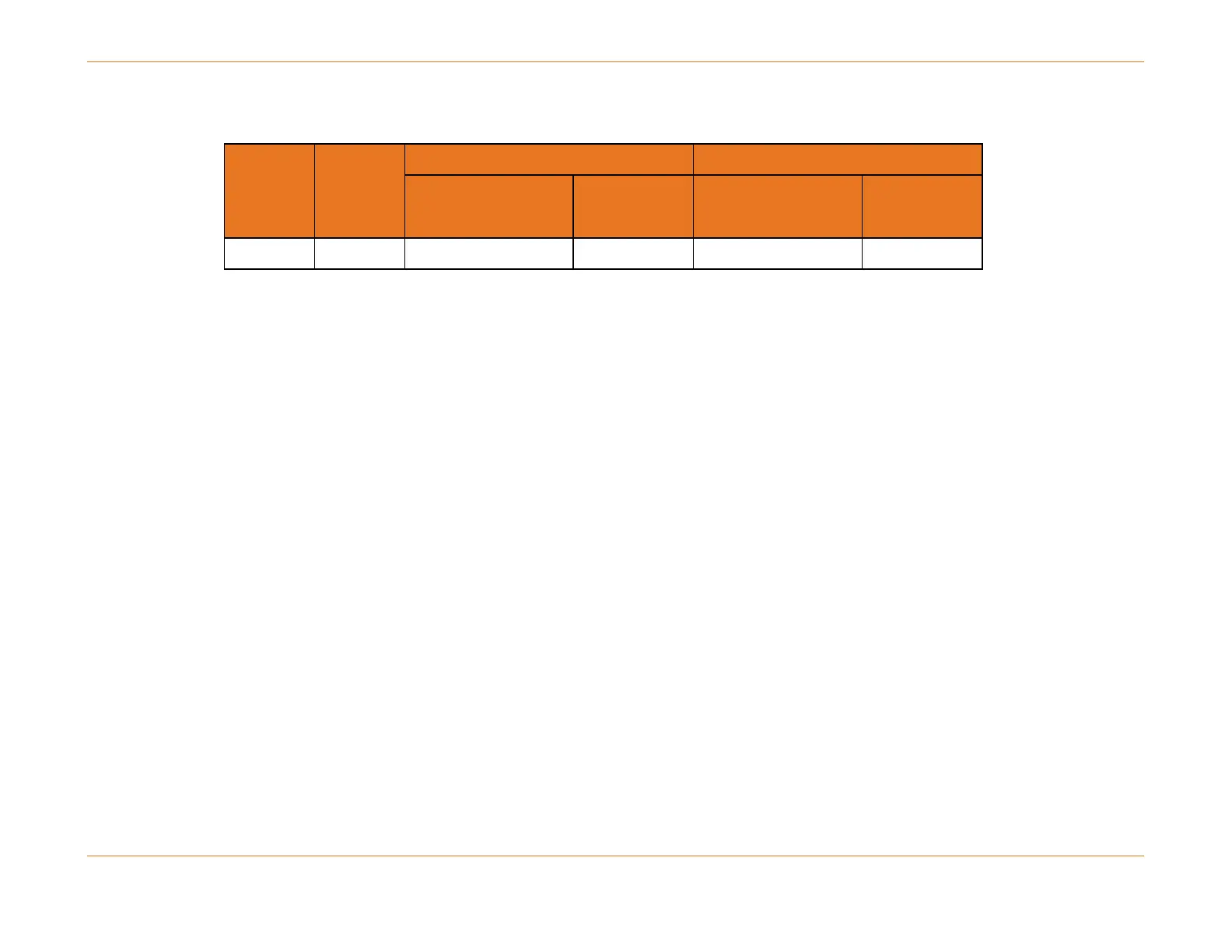
Table 31. Annex A Downstream Interleavers
Note: Burst protection is measured in microseconds; latency is measured in milliseconds.
Max round trip delay
This defines the maximum amount of time in microseconds allowed for round trip delay in microseconds that it would take
a cable modem to send a message, such as a broadcast ranging attempt, to the CMTS and to receive a response. This
parameter is used to determine the amount of time that must be given to a cable modem to transmit a broadcast ranging
message. The parameter is also used to determine the needed Map Ahead Timer for DOCSIS
®
Map messages. The default
time is 1600 microseconds, which is roughly enough time for a cable modem up to 100 miles from the CMTS to send a
message and receive the response. The CMTS allows values in the range of 200 to 1600.
Automatic Gain Control (AGC)
The 16D and XD CAMs support the power accuracy specification as defined in the CableLabs Downstream RF Interface
Specification. AGC is always enabled on the 16D and XD CAMs.
Modulation
The following are the operational notes and constraints regarding QAM modulation settings:
Changing the modulation of any downstream channel also changes the modulation of all the other channels associated
with the same connector.
The modulation of a channel can be changed whether the channel is in the up or down administrative state.
Default: 256 QAM
If there is an upstream using SCDMA, then all the downstream channels providing supervision to that upstream
channel must all use the same modulation.


 To Next Page