RFL 9300 RFL Electronics Inc.
October 29, 2001 2 - 6 (973) 334-3100
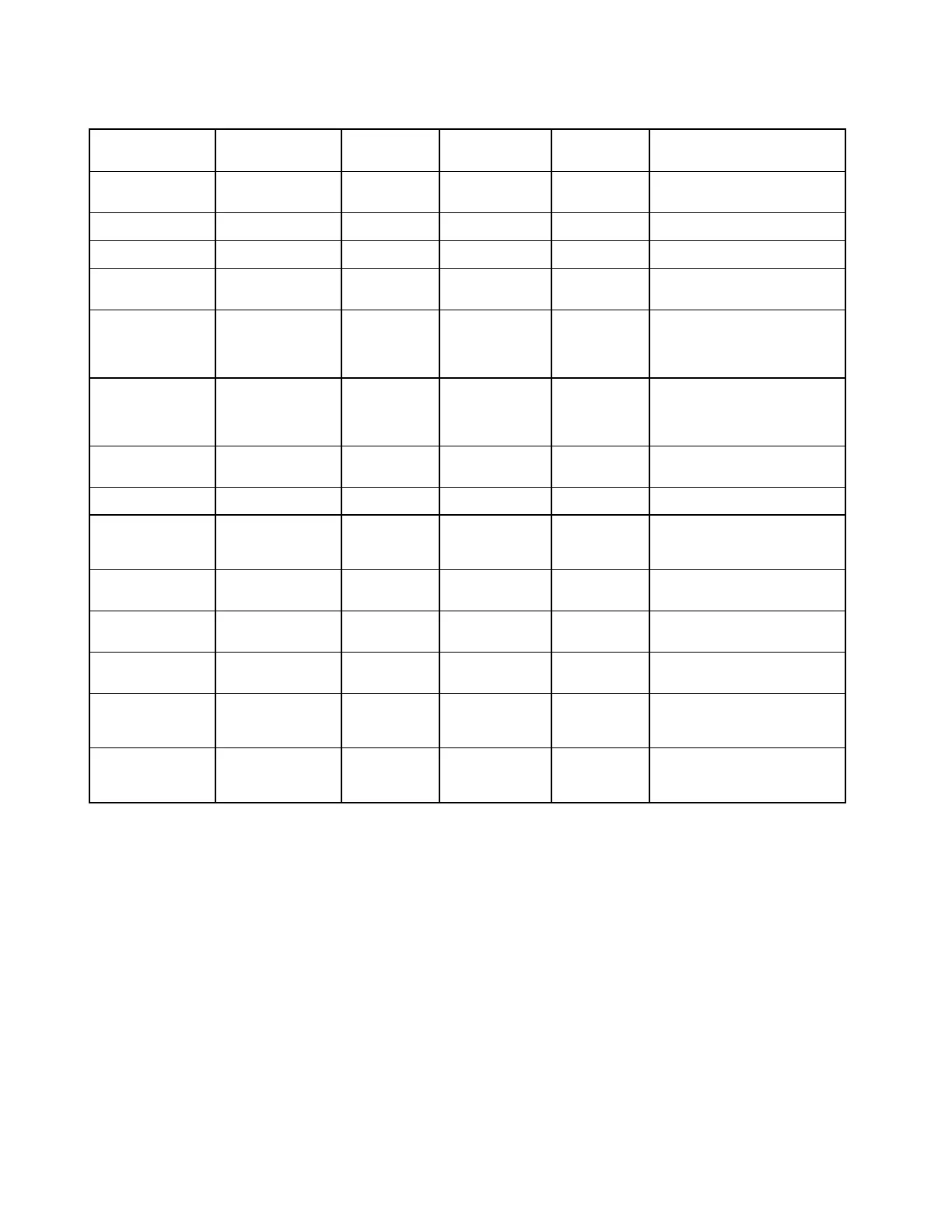
Table 2-1. Valid Hot-Standby Configurations
Communication
Channel 1
Communication
Channel 2
Synchronous
Clock?
(Yes/No)
(3)
Valid
Configuration?
(Yes/No)
Rapid
Switchover?
(YES/No
)(1,2)
Reason
93 MO (Modem) 93 MO (Modem) YES YES YES Channel 2 locks onto Channel 1.
The clock source is a local crystal
in the Channel 1 modem.
93 MO (Modem) Any non-modem N/A NO N/A Wrong clock rate. 7.2 KBS cannot
mix with high-speed clocks.
93 DD I/O (RS422) 93 DD I/O (RS422) YES YES YES Both get clock from the same
external source.
93 DD I/O (RS422) 93 DD I/O (RS422) NO YES NO Clocks from different sources.
The clocks should not be different
by more than 5 percent.
93 FT/FR (Fiber) 93 FT/FR (Fiber) YES YES YES Fiber is dark (direct connection
from 9300 to 9300). Channel 2
locks onto Channel 1. The clock
source comes from a local crystal
in Channel 1.
94 G.703 93 G.703 YES YES YES Channel 2 locks onto Channel 1.
This is valid if both get clocks from
the same external central clock
source (E1). This is usually the
case.
94 G.703 93 G.703 NO YES NO Two different networks, one for
Channel 1 and another for Chan-
nel 2. This is not typical.
93 FTFR 93 G.703 NO YES NO The 93 G.703 channel can be
over a network.
93 FTFR 93 DD I/O (RS422) NO YES NO Channel 2 does not lock onto
Channel 1. The 93 DD can only
get a clock from an external
source.
93 G.703 93 FTFR (Fiber) YES YES YES Channel 1 is locked onto the
central clock and shares it with
channel 2.
93 DD I/O (RS422) 93 FT/FR (Fiber) YES YES YES The Channel 1 clock source is the
central clock. It will share the
clock with Channel 2.
93 DD I/O (RS422) 93 G.703 YES YES YES Only if Channel 1 clock source is
the central clock. It will share the
clock with Channel 2.
93 DD I/O (RS422) 93 G.703 NO YES NO The 93 G.703 module can be
locked to the network. This oc-
curs if the jumper on the 93 G.703
module is set to “NORMAL”.
93 SHFI 93 SHFI YES YES YES Only if both get the clock from the
same external source. The clock
source must come from both Fiber
Service Units.
Notes:
1. Rapid Switchover is typically 30 ms. Non-rapid switchover is 500 ms to 2 seconds.
2. Switchover is defined as the time it takes to switch from one channel to another in the event of a break in communications.
3. Synchronous clock indicates that Channel 1 and Channel 2 have a common clock source.
2.4 CHANNEL IMPAIRMENT CHARACTERISTICS
RFL 9300 terminals operate with different channel impairment characteristics, depending on how the terminal is configured.
The following paragraphs describe the characteristics for direct digital, fiber optic, and single-channel modem interfaces.
2.4.1 TERMINALS EQUIPPED WITH DIRECT DIGITAL OR FIBER OPTIC INTERFACES
2.4.1.1 COMMUNICATIONS CONTROLLER OPERATION
The RFL 93B CC Communications Controller Module controls the RFL 93 DD I/O Direct Digital I/O Module, or the Fiber Op-
tic transceiver module, and receives the incoming serial data. The incoming serial data is framed into words and decoded. If
the words are valid, they are passed on to the RFL 93B SV Supervisor Controller Module for distribution to the other modules
in the terminal.


 To Next Page