(OPEN)
SLG
LOCAL REMOTE
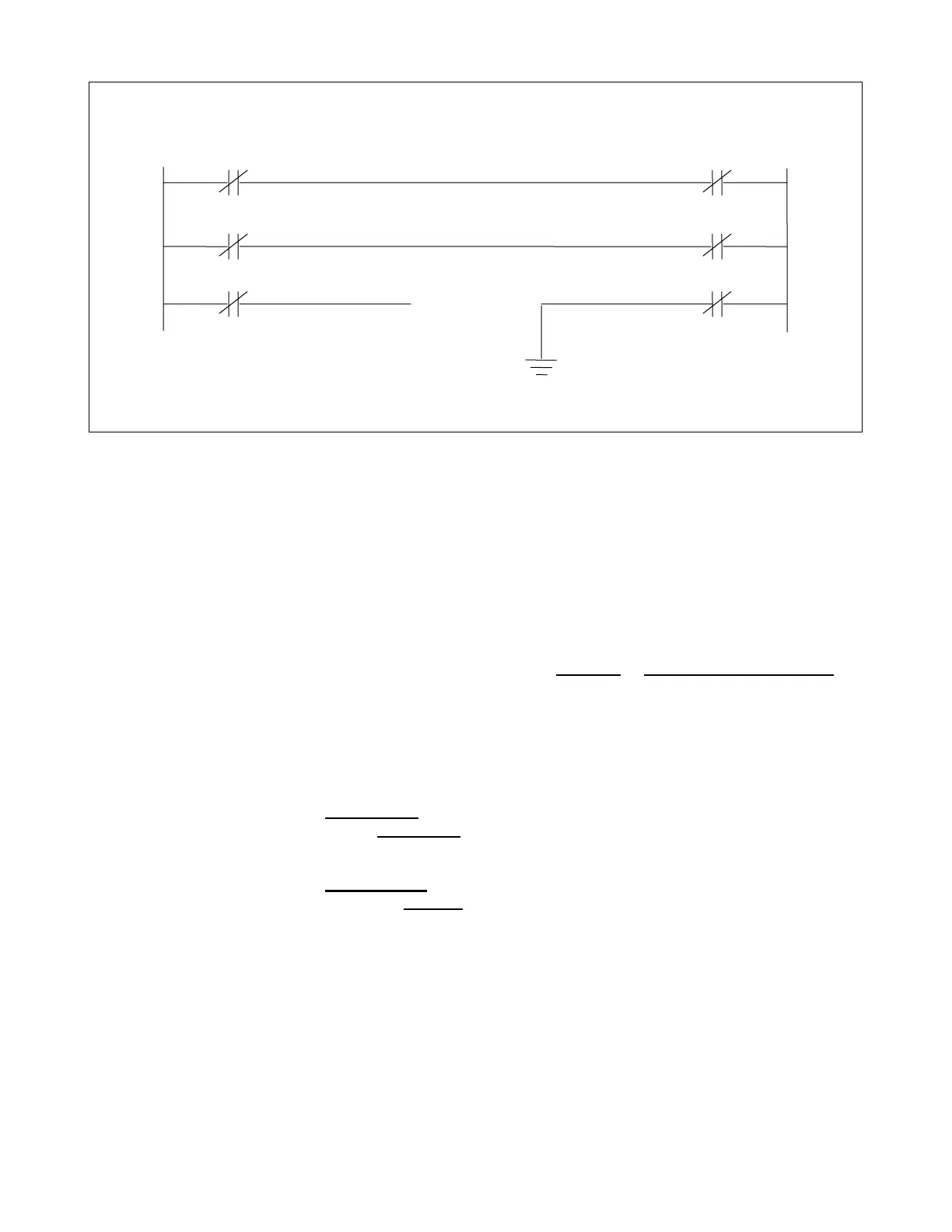
Figure 3-23. Open conductor with one single-line-to-ground fault (OC/SLG)
3.15.3 GROUND STRONG-FEED
If the load current is 0.5 ampere or more, ground strong-feed will usually operate and provide sensitive protec-
tion for the OC/SLG condition. This is equivalent to a fault current caused by about 220 ohms of fault resistance
@ 138 kV, using 1200:5 CT's.
A phasor analysis of ground strong-feed operation is shown in Figures 3-24 and 3-25. From this analysis, sev-
eral observations can be made about ground strong-feed operation:
1. The 3I
0
component due to the high-resistance SLG fault is in-phase or 180 degrees out-of-phase with
the 3I
0
due to the open conductor. This is because both are "watt-flow" (resistive) currents. The open
conductor effect relates to load current (resistive) on the affected phase. The SLG effect relates to the
resistive effect of the ground fault resistance.
2. The 3I
0
magnitude due to the high-resistance SLG fault is a direct function of the ground fault resistance
(R
G
).
3. If the SLG is on the load sending end
side of the open conductor (Fig. 3-24), the 3I
0
currents due to the
open conductor and the SLG are subtractive
. This creates a region of net 3I
0
on the SLG side that may be
below 0.5 amperes. This prevents ground strong-feed operation for certain R
G
values.
4. If the SLG is on the load receiving end
side of the open conductor (Fig. 3-25), the 3I
0
currents due to
the open conductor and the SLG are additive
. This assures ground strong-feed tripping for all R
G
values
of 220 ohms or less @ 138 kV, using 1200:5 CT's.
The OC/2-SLG and OC/SLG conditions will both be correctly detected by the RFL 9300. The RFL 9300's degree
of sensitivity depends upon the value of the ground fault resistance (R
G
), load current, and which side of the
open is shorted to ground.
RFL 9300 RFL Electronics Inc.
August 25, 2000 3 - 26 (973) 334-3100


 To Next Page