10.4
SEL-400 Series Relays Instruction Manual Date Code 20171006
Testing, Troubleshooting, and Maintenance
Testing Philosophy
Maintenance Testing
All SEL-400 series relays use extensive self-testing routines and feature detailed
metering and event reporting functions. These features reduce your dependence
on routine maintenance testing. When you want to perform maintenance testing,
follow the recommendations in Table 10.3.
You can use the relay reporting features as maintenance tools. Periodically com-
pare the relay METER command output to other meter readings on a line to ver-
ify that the relay measures currents and voltages correctly and accurately. Use the
circuit breaker monitor, for example, to detect slow breaker auxiliary contact
operations and increasing or varying breaker pole operating times. For details on
these features, see Circuit Breaker Monitor on page 8.1.
Each occurrence of a fault tests the protection system and relay application.
Review relay event reports in detail after each fault to determine the areas need-
ing your attention. Use the event report current, voltage, and relay element data to
determine that the relay protection elements and communications channels oper-
ate properly. Inspect event report input and output data to determine whether the
relay asserts outputs at the correct times and whether auxiliary equipment oper-
ates properly.
At each maintenance interval, the only items to be tested are those that have not
operated (via fault conditions and otherwise) during the maintenance interval.
The basis for this testing philosophy is simple: you do not need to perform fur-
ther maintenance testing for a correctly set and connected relay that measures the
power system properly and for which no relay self-test has failed.
SEL-400 series relays are based on microprocessor technology; the relay internal
processing characteristics do not change over time. For example, if time-overcur-
rent element operating times change, these changes occur because of alterations
to relay settings and/or differences in the signals applied to the relay. You do not
need to verify relay element operating characteristics as a part of maintenance
checks.
SEL recommends that you limit maintenance tests on SEL relays according to
the guidelines listed in Table 10.3. You will spend less time checking relay oper-
ations that function correctly. You can use the time you save to analyze event data
and thoroughly test systems needing more attention.
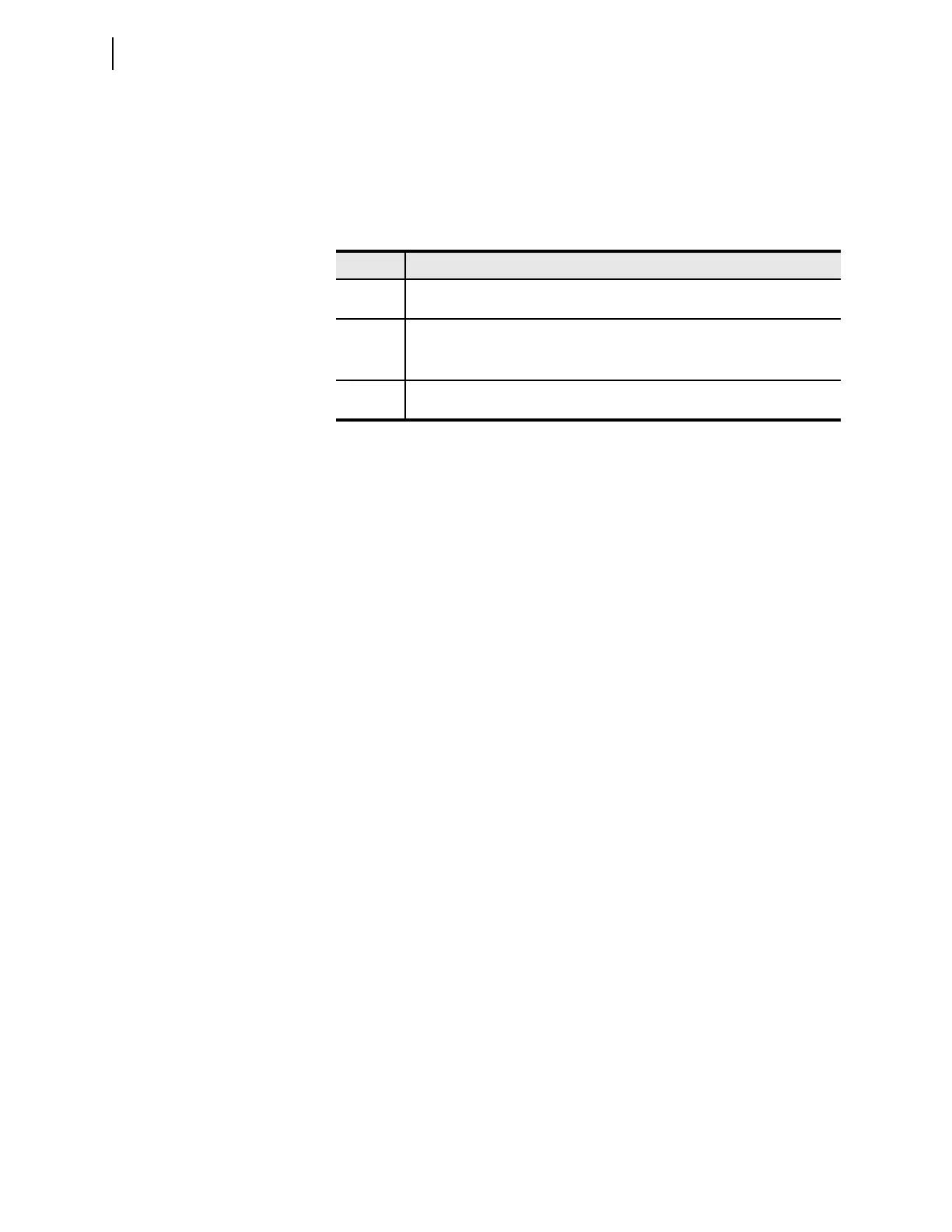
Ta b l e 1 0. 3 Ma i n tenan ce Testing
Details Description
Time Test at scheduled intervals or when there is an indication of a problem with the
relay or power system.
Goals a) Confirm that the relay is measuring ac quantities accurately.
b) Check that scheme logic and protection elements function correctly.
c) Verify that auxiliary equipment functions correctly.
Tests Test all relay features/power system components that did not operate during an
actual fault within the past maintenance interval.


 To Next Page