152 AMCC Proprietary
Revision 1.02 - September 10, 2007
PPC405 Processor
Preliminary User’s Manual
The DAC Compare Size fields (DBCR1[D1S, D2S]) are not used by DAC range comparisons.
8.8.13.3 DAC Applied to Cache Instructions
Some cache instructions can cause DAC debug events. There are several special cases.
Table 8-3 summarizes possible DAC debug events by cache instruction:
Architecturally, the
dcbi and dcbz instructions are “stores.” These instructions can change data, or cause the loss
of data by invalidating a dirty line. Therefore, they can cause DAC-write debug events.
The
dccci instruction can also be considered a “store” because it can change data by invalidating a dirty line.
However,
dccci is not address-specific; it affects an entire congruence class regardless of the operand address of
the instruction. Because it is not address-specific, dccci does not cause DAC-write debug events.
Architecturally, the dcbt,
dcbtst, dcbf, and dcbst instructions are “loads.” These instructions do not change data.
Flushing or storing a cache line from the cache is not architecturally a “store” because a store had already updated
the cache; the
dcbf or dcbst instruction only updates the copy in main memory.
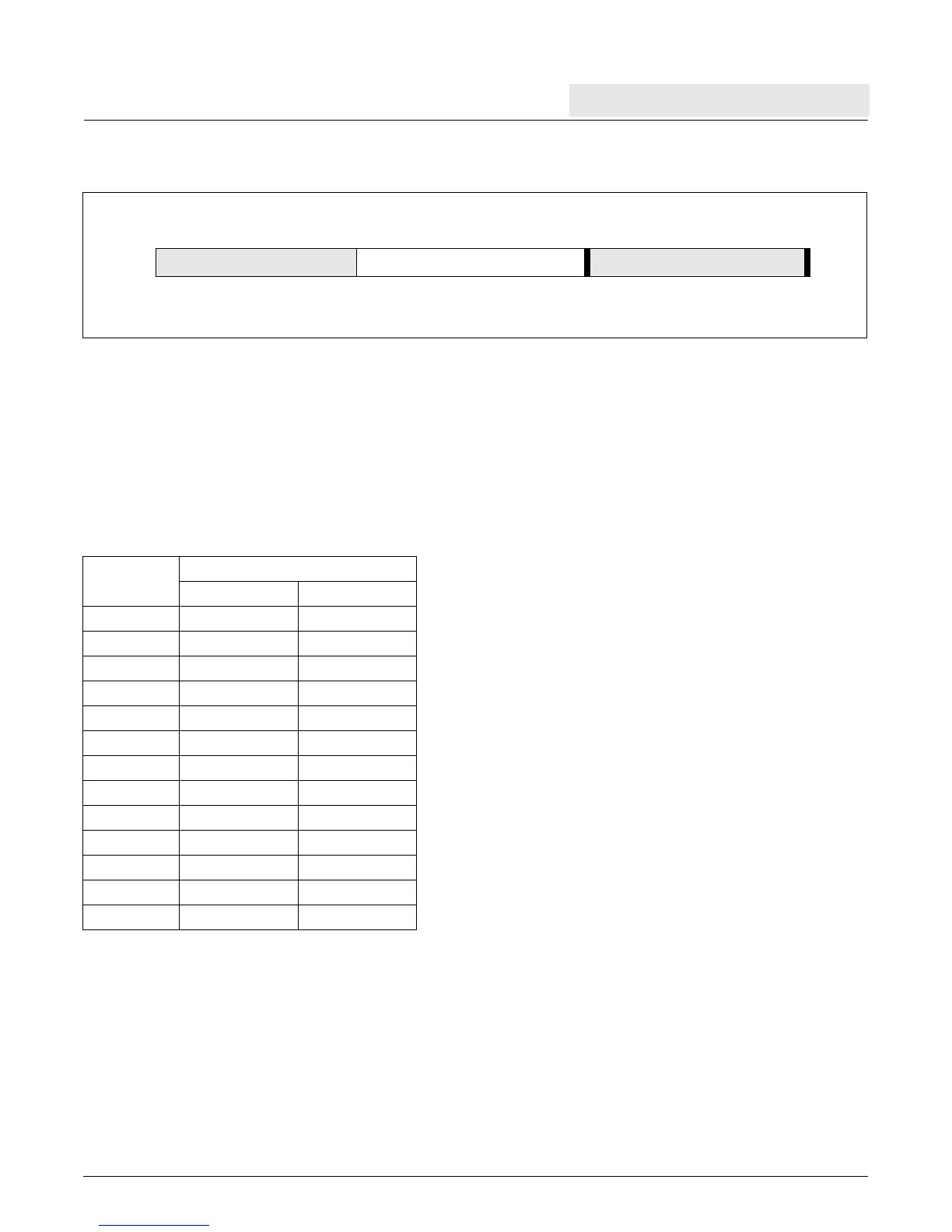
Figure 8-10. Exclusive DAC Range Address Compares
Table 8-3. DAC Applied to Cache Instructions
Instruction
Possible DAC Debug Event
DAC-Read DAC-Write
dcba No Yes
dcbf No Yes
dcbi No Yes
dcbst No Yes
dcbt Yes No
dcbz No Yes
dccci No No
dcread No No
dcbtst Yes No
icbi Yes No
icbt Yes No
iccci No No
icread No No
DAC1 DAC2
0
FFFF FFFF



 To Next Page