214323 6 Revision A
1.5 Hydraulic Safety
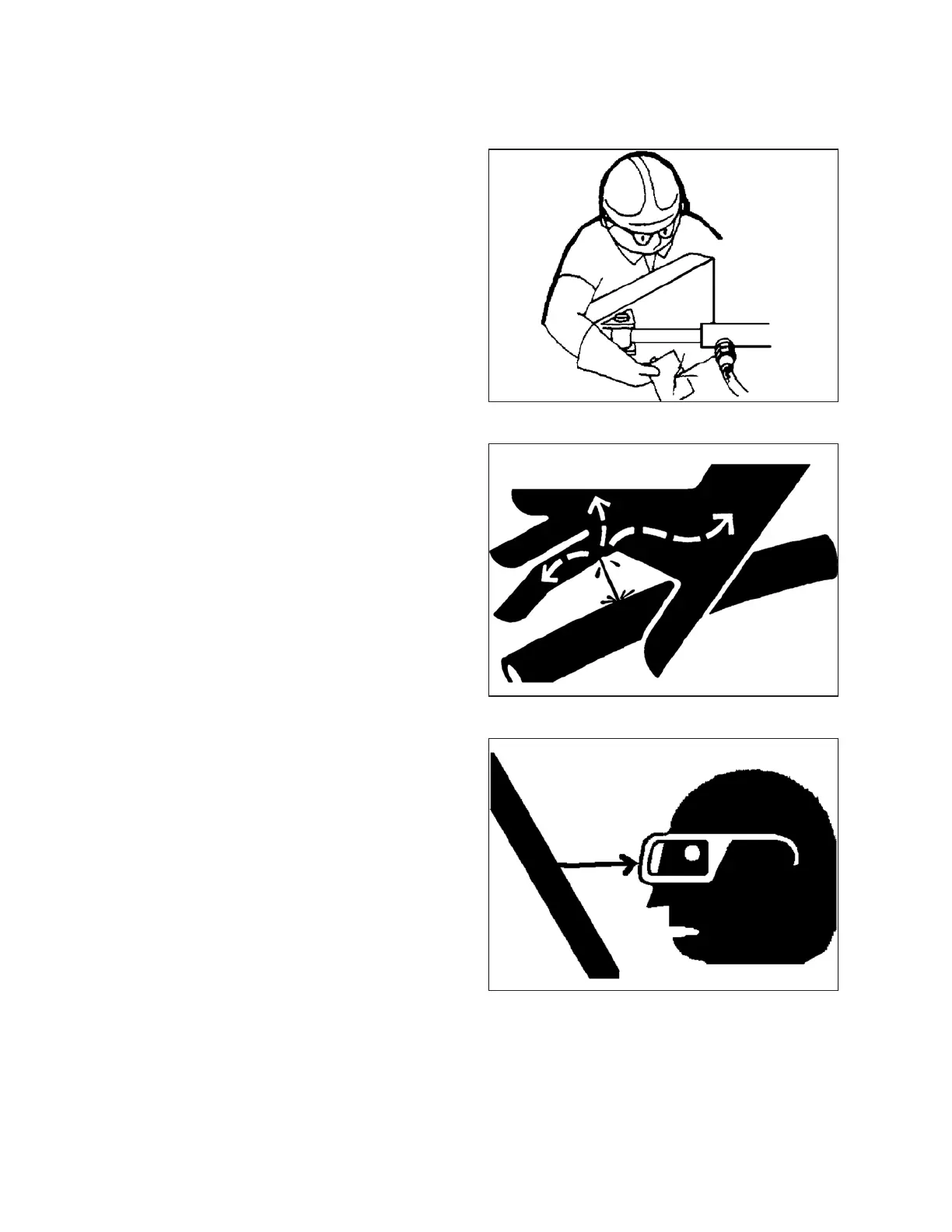
Figure 1.11: Testing for Hydraulic Leaks
• Always place all hydraulic controls in Neutral before
dismounting.
• Make sure that all components in hydraulic system are
kept clean and in good condition.
• Replace any worn, cut, abraded, flattened, or crimped
hoses and steel lines.
• Do NOT attempt any makeshift repairs to hydraulic lines,
fittings, or hoses by using tapes, clamps, cements, or
welding. The hydraulic system operates under extremely
high pressure. Makeshift repairs will fail suddenly and
create hazardous and unsafe conditions.
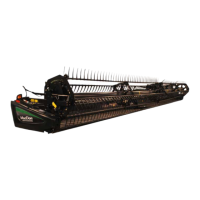
Figure 1.12: Hydraulic Pressure Hazard
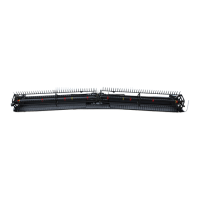
• Wear proper hand and eye protection when searching for
high-pressure hydraulic leaks. Use a piece of cardboard
as a backstop instead of hands to isolate and identify
a leak.
• If injured by a concentrated high-pressure stream of
hydraulic fluid, seek medical attention immediately.
Serious infection or toxic reaction can develop from
hydraulic fluid piercing the skin.
Figure 1.13: Safety around Equipment
• Make sure all components are tight and steel lines,
hoses, and couplings are in good condition before
applying pressure to a hydraulic system.
SAFETY



 To Next Page