Chapter 3: SYSTEM OPERATION OUTLINE
2. MONITOR FUNCTION
3-3
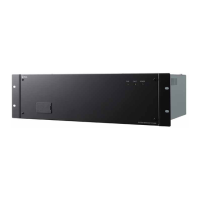
VX-2000SF
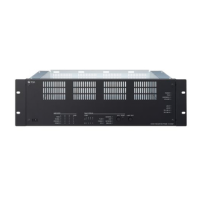
VX-2000
EV-200
VX-2000DS
Battery *
2
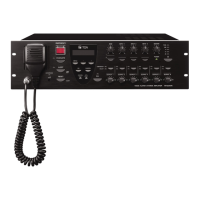
RM-200XF
Power amplifier
Standby amplifier
Connections between VX-2000 and VX-2000SF
Speaker lines*
1
Connections between VX-2000SF
and amplifier
Connections between VX-2000SF
and Standby amplifier
Microphone switch
Microphone element
Coiled cord
Connections between VX-2000SF
and VX-2000DS
Connections between
RM-200XF and VX-2000
Emergency button
2. MONITOR FUNCTION
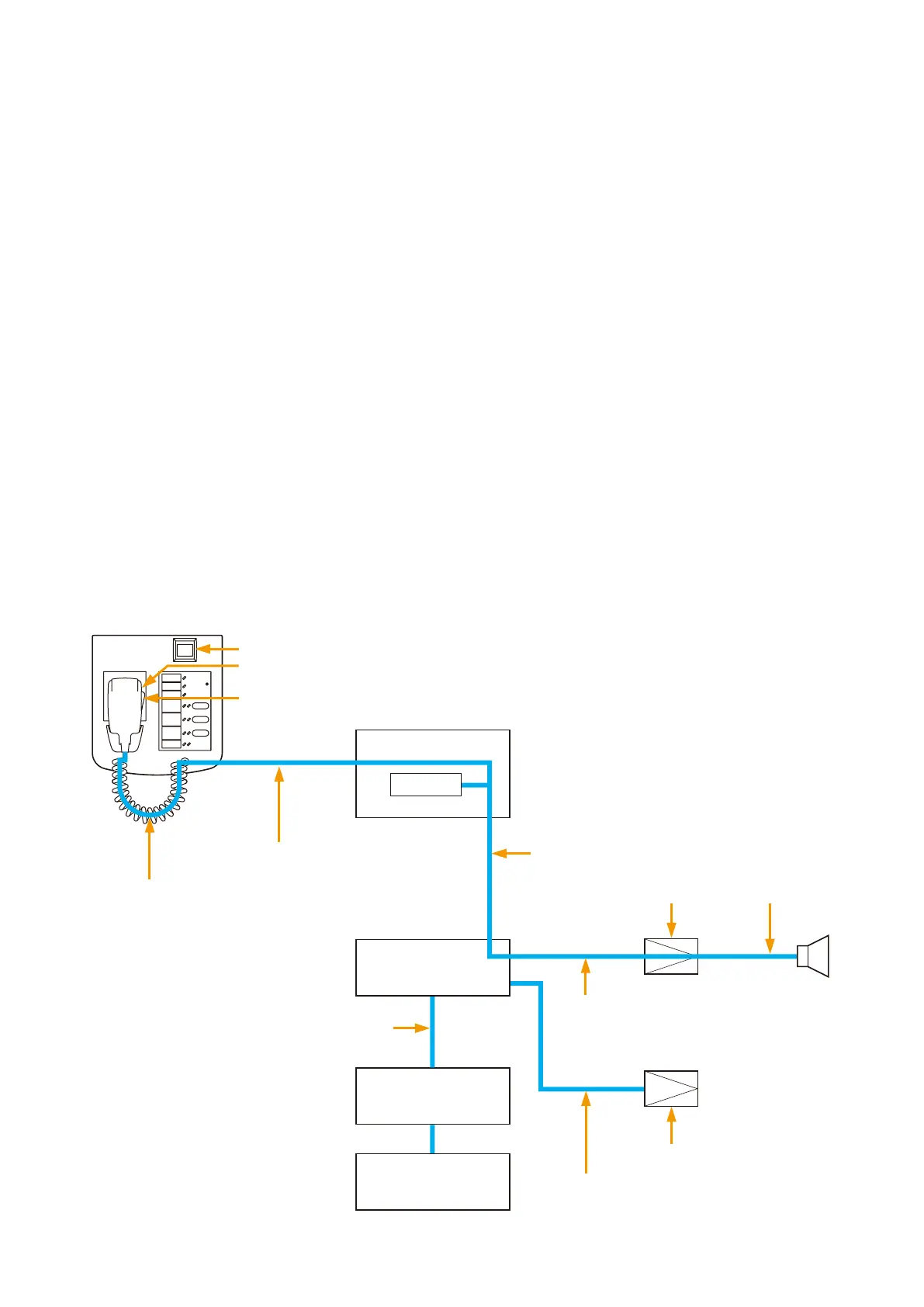
In the VX-2000 system, the entire system is monitored during operation.
• Shouldanyfailurebedetected,itisindicatedbylightingtheFailureLEDsofallconnectedRM-200X,RM-
200XF, VX-2000 and VX-2000SF units.
Note
When an RM-200X Remote Microphone set for General type fails, this is recorded in the operation log.
However, the Failure LEDs of the RM-200X, RM-200XF, VX-2000 and VX-2000SF do not light.
• MoreprecisefailurelocationscanbeindicatedbypreparingfailureoutputpatternsthatcontainPC-designated
failure sources, and assigning such patterns to the Remote Microphone function keys. In this case, a failure
of the RM-200X set for General type can also be indicated. A single control output can be interlocked with the
failure output pattern.
Refer to
p. 4-5 for details regarding failure output patterns, to p. 5-34 for Remote Microphone operations
when failures are detected, and to p. 7-51 for PC software settings.
2.1. Continuous Monitoring
Monitoring intervals differ depending on operation mode. The entire system is monitored once every within
100 seconds in Normal and Emergency Modes, while one monitoring is carried out every 24 hours in Economy
mode. Monitoring intervals in AC failure mode need to be set using a PC.
[Items to be monitored]
*
1
When the failure detection module is the
VX-200SZ and external attenuators are
used on the speaker line, the speaker line
is monitored at set intervals.
For details, refer to “2.2. Monitoring That
Requires Interval Settings” on
p. 3-4.
*
2
The charge voltage can be checked at
intervals set by the PC software.
For details, refer to p. 3-4.



 To Next Page