215916 475 Revision A
5.15.9 Caster Wheels
The casters wheels’ tire pressure, wheel nut torque, and the anti-shimmy dampeners should be inspected regularly.
Adjusting Caster Tread Width
The rear casters can be adjusted to a narrow tread width, which allows loading and shipping without having to
remove them.
A narrow tread width is better suited for smaller headers because it allows more space to the uncut crop, and provides
more maneuverability around poles, irrigation inlets, and other obstacles.
A wider tread width reduces runover in heavy crops that produce large windrows.
DANGER
To prevent bodily injury or death from the unexpected startup of the machine, always stop the engine and remove the
key from the ignition before leaving the operator’s seat for any reason.
CAUTION
Park on a flat, level surface with the header on the ground, the ground speed lever (GSL) in the PARK position, and the
steering wheel in the locked position (centered). To confirm that the parking brake is engaged, wait for the HPT to beep
and display a red P symbol.
1. Park the windrower on a level surface.
2. Place the ground speed lever (GSL) in PARK.
3. Shut down the engine, and remove the key from the ignition.
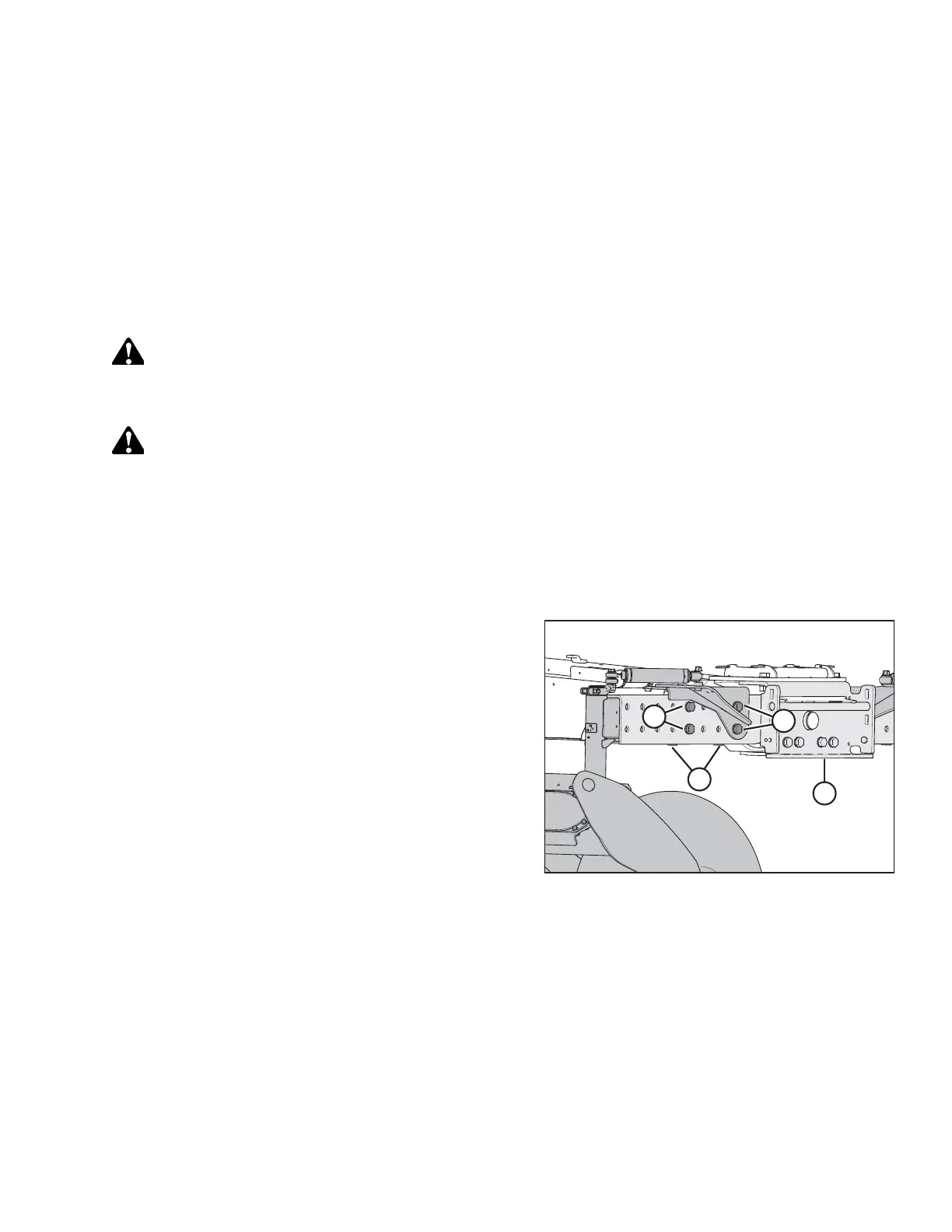
Figure 5.237: Left Caster Wheel Extension
4. Using a jack (or another lifting device) under the frame at
location (A), slightly raise the rear of the windrower until
most of the weight is off the casters.
IMPORTANT:
Do NOT damage the engine oil pan when raising the
windrower.
NOTE:
Lifting device must have a lifting capacity of at least 4536 kg
(10,000 lb.).
5. Remove six bolts (B) (four on backside, two on underside)
and washers from the left and right sides of the
walking beam.
MAINTENANCE AND SERVICING


 To Next Page