Routing elements
113
System functions and features as of R4.1
syd-0570/1.2 – R4.1 – 08.2016
5. 3 Route
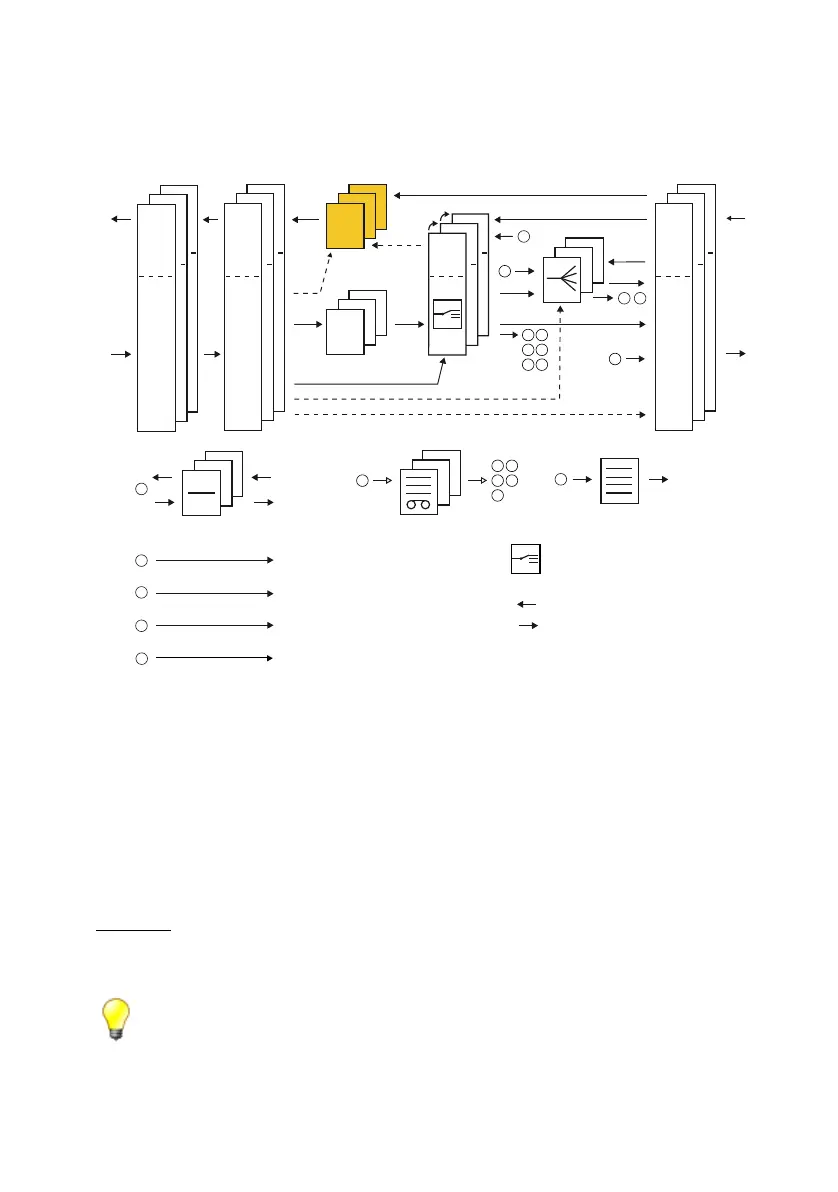
Fig. 52 Routes in relation to the other routing elements
The route function applies only to outgoing calls.
A route determines the direction of outgoing calls through allocation to trunk groups. All
outgoing calls are routed via a route to one or more trunk groups. They also include
calls routed via the Least Cost Routing function and transit calls in a PISN. Normally a
separate route is set up for each PINX
The route elements can be allocated internal call numbers in the internal numbering
plan. In this way a route element can be selected directly (route selection, see
page 196
).
Each route can be given a name. The main purpose of the name is to provide orienta-
tion; it does not have a routing function.
Tip:
It is advisable to name the routes according to their function. For example Transit routing,
Remote alarming, to PINX 3, etc. It makes the configuration work all the clearer.
76
54
31
73
5
8
9
1
6
8
9
Special destinations (PSTN overow, voice mail, mobile phone integration,
IP remote management (SRM), modem
Net-
work
side
Incoming calls
Outgoing calls
Changeover one or several
switch groups
ACD Server
ACD queue
External remote control
Transfer
General bell
KT Lines
Key
telephones
Direct Dialling Plans
User side
User congurationsUser groupsCall distribution
elements
Routes
Trunk groups
Network interfaces
Queue with announcement


 To Next Page