SUPPLEMENT SG-3
CHAPTER 24 - MAINTENANCE PRACTICES
CHAPTER 24 – ELECTRICAL SYSTEM
DESCRIPTION AND OPERATION
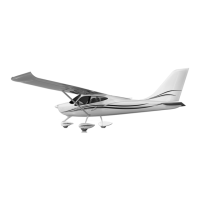
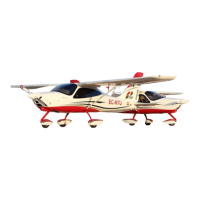
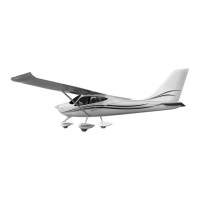
The electrical system currently installed on Tecnam P2002 series analog version
is based on a 14Vdc voltage distributed by the following energy busses:
Battery bus
Avionic bus
The battery bus is connected to the aircraft battery with the battery relay switch-
able with the Master Switch.
The primary source of energy is an alternator rated of 14,2-14,8 Vdc, 40 Amp
output, and it is fitted with an integrated voltage regulator, which acts to main-
tain a constant output voltage, and with an automatic overvoltage device protect-
ing the circuits and the electric components from an excessive voltage caused by
generator failures.
The alternative energy source is a lead type battery (Gill Teledyne G25), 12V
18-Ah in 1h, which provides energy for the engine start up or when an alternator
failure happens (Emergency condition) and is connected to the battery bus with a
50A protection breaker.
The battery is housed in a vented and drained dedicated box accessible through
an inspection cap located on the right hand fuselage side skin near the wing trail-
ing edge.
On the instruments panel, right side, two dedicated instruments, a voltmeter and
an ammeter are installed.
All the main electrical loads are connected to the battery bus. All other loads
(secondary avionic devices) are connected to the Avionic bus.
The Battery bus, which supplies the most important loads, is energized from two
sources: the battery and the alternator. This allows the bus for being active also
in case of an energy source failure.


 To Next Page