Module Descriptions
GARD 8000 SYS RFL Electronics
April 23, 2015 6-16 973.334.3100
channels of multiplexers. The channels are programmable from 300Hz to 4kHz. Channel 1 can be
configured for protection, or as an internal modem for remote interrogation. Channels 2 through 4 are
for protection only.
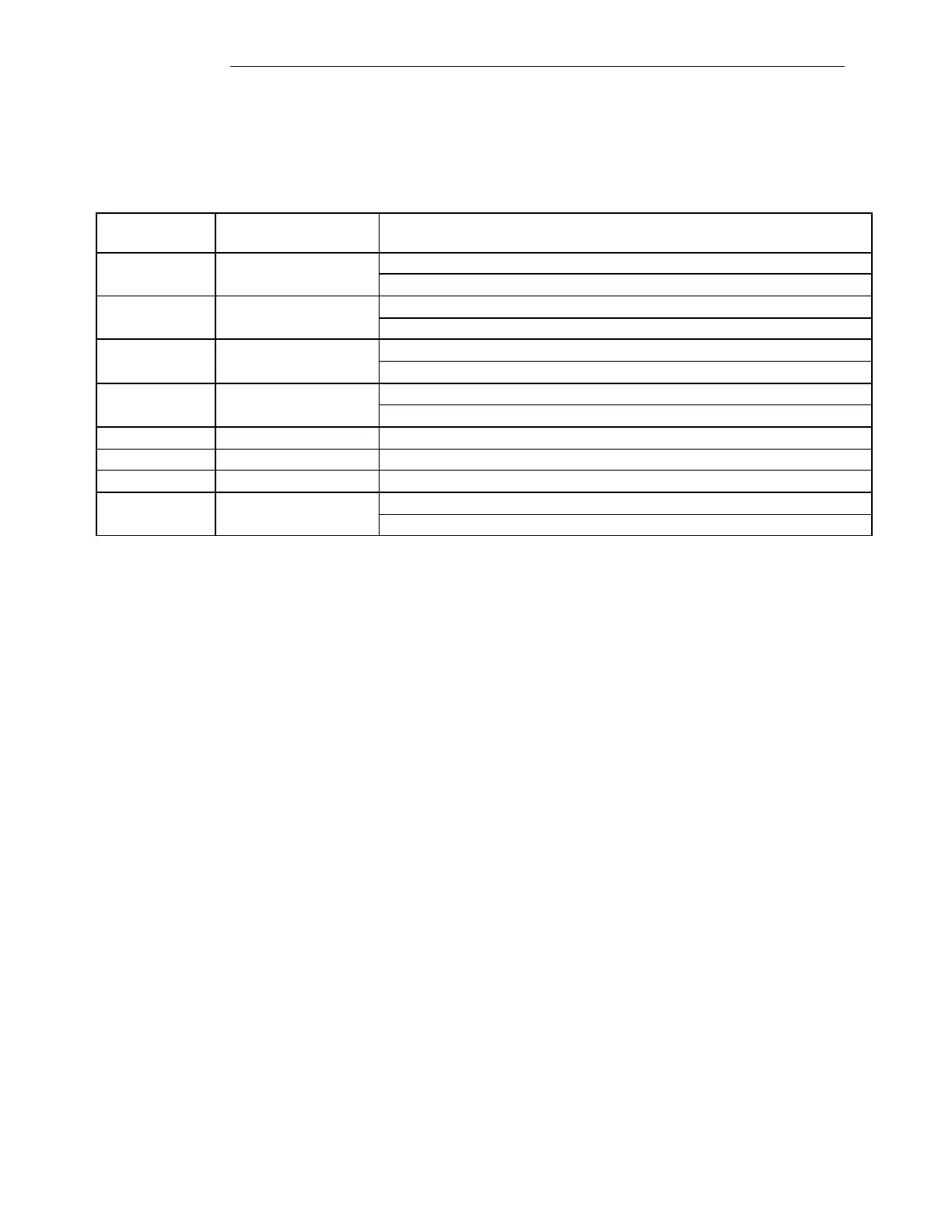
Table 6-6. Jumper Settings and Switch Function for the GARD 8000 Audio Tone TPS Module
Installed: Watch dog timer disable, for factory use only.
Not Installed: Normal operation.
In position: For factory use only.
Out position: Normal operation.
50: 50Hz filter to reduce line noise.
60: 60Hz filter to reduce line noise.
2W: For 2-Wire operation.
4W: For 4-Wire operation.
Press for DSP reset. For factory use only.
Used to connect the module to TX and RX, 2W and 4W.
RS-232/485 connector. (See Table 6-7 for pin-outs)
6.4.1 TRANSPARENT MODEM MODE
Channel 1 may be used as a single 300 baud modem with an external RS-232/RS-485 interface. The
modem is full duplex on a 4-wire circuit. Additionally, channels 2 through 4 can be used for bi-
directional audio tone transfer trip. This version also supports the logic bit transfer mode described in
AN8000-009.
Functionality Overview:
300 Baud data from the external connector is passed through the 4 wire audio path to a
matching unit on the far end.
The external interface is jumper selectable for RS-232 or RS-485.
The modem is transparent to the serial protocol. i.e. data bits, stop bits, parity, etc. are
passed through intact with no settings required.
The modem does not support or transfer hardware flow control. If necessary, the
application must provide software flow control (Xon/Xoff).
The only setting related to this mode is the Modem Type. Setting this to “Transparent”
enables this mode. All other settings are the same as any modem application.
Currently channel 1 can be used for ping pong, addressing and remote interrogation. These
functions are removed when any modem mode other than Standard is selected.
Channels 2 through 4 are functionally unchanged.
600 Hz must be allocated for the status transfer on the modem in addition to the transfer
trip.
Remote reporting, ping pong and addressing are disabled on the Audio Tone General
Settings and status web pages when any modem mode other than Standard is chosen.


 To Next Page