MPC5553/MPC5554 Microcontroller Reference Manual, Rev. 5
Freescale Semiconductor 19-81
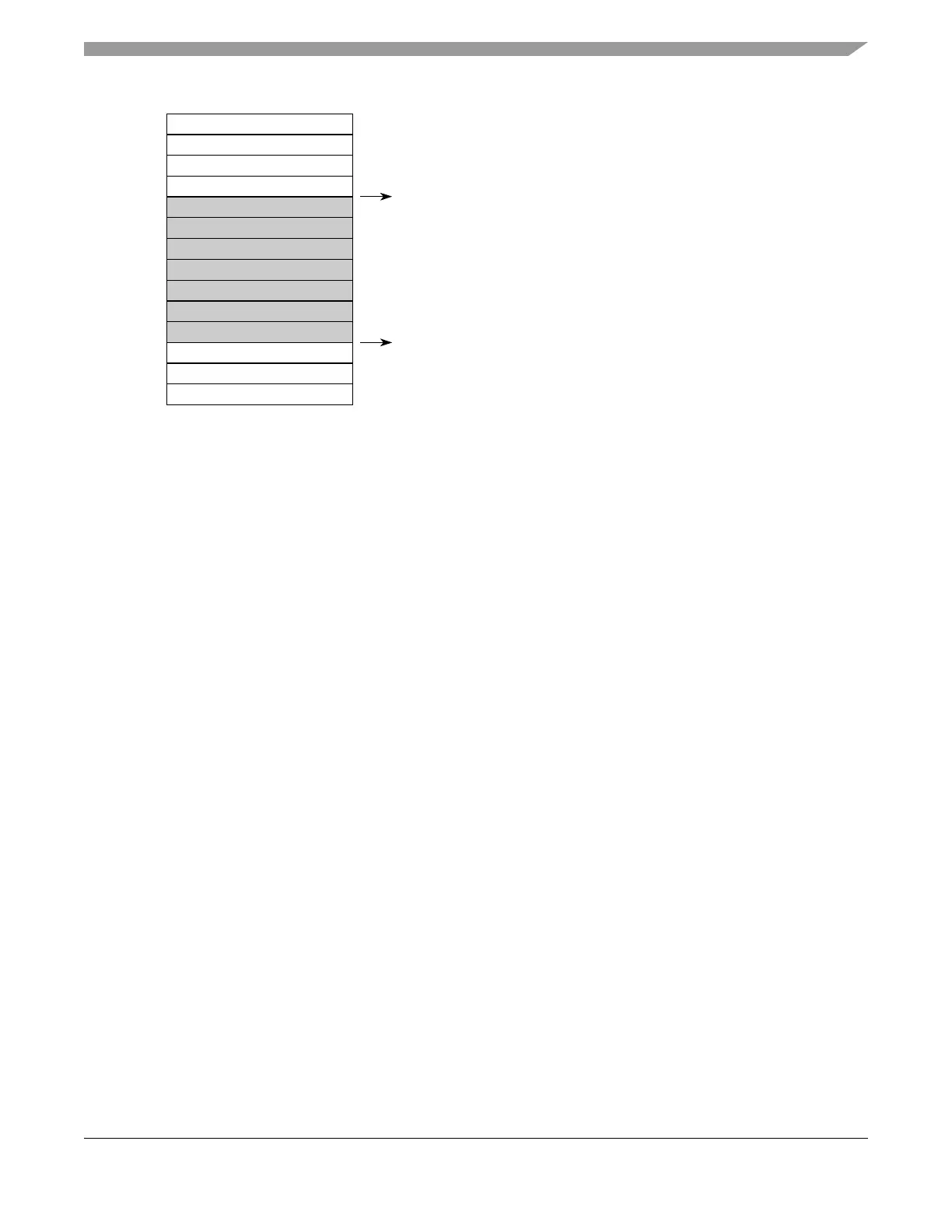
Figure 19-45. Non-coherency Detection When Transfers From A Command Sequence Are Interrupted
19.4.4 Result FIFOs
19.4.4.1 RFIFO Basic Functionality
There are six RFIFOs located in the eQADC. Each RFIFO is four entries deep, and each RFIFO entry is
16 bits long. Each RFIFO serves as a temporary storage location for the one of the result queues allocated
in system memory. All result data is saved in the RFIFOs before being moved into the system result
queues. When an RFIFO is not empty, the eQADC sets the corresponding EQADC_FISRn[RFDF] (see
Section 19.3.2.8). If EQADC_IDCRn[RFDE] is asserted (see Section 19.3.2.7), the eQADC generates a
request so that the RFIFO entry is moved to a result queue. An interrupt request, served by the host CPU,
is generated when EQADC_IDCRn[RFDS] is negated, and an eDMA request, served by the eDMA, is
generated when RFDS is asserted. The host CPU or the eDMA responds to these requests by reading
EQADC_RFPRn (see Section 19.3.2.5) to retrieve data from the RFIFO.
NOTE
Reading a word, halfword, or any bytes from EQADC_RFPRn will pop an
entry from RFIFOn,and the RFCTRn field will be decremented by 1.
The eDMA controller should be configured to read a single result (16-bit
data) from the RFIFO pop registers for every asserted eDMA request it
acknowledges. Refer to Section 19.5.2, “EQADC/eDMA Controller
Interface” for eDMA controller configuration guidelines.
Figure 19-46 describes the important components in the RFIFO. Each RFIFO is implemented as a circular
set of registers to avoid the need to move all entries at each push/pop operation. The pop next data pointer
always points to the next RFIFO message to be retrieved from the RFIFO when reading eQADC_RFPR.
The receive next data pointer points to the next available RFIFO location for storing the next incoming
message from the on-chip ADCs or from the external device. The RFIFO counter logic counts the number
of entries in RFIFO and generates interrupt or eDMA requests to drain the RFIFO.
EQADC_FISRn[POPNXTPTR] (see Section 19.3.2.8) indicates which entry is currently being addressed
by the pop next data pointer, and EQADC_FISRn[RFCTR] provides the number of entries stored in the
Command sequence became non-coherent before command 4 was
transferred. After command transfers are resumed, eQADC will only
check for coherency after command 4.
CF5_CB1_CM6
7
CF5_CB1_CM56
CF5_CB1_CM45
CF5_CB1_CM34
CF5_CB1_CM2
3
CF5_CB1_CM12
CF5_CB1_CM01
CF5_CB1_CM13
14
CF5_CB1_CM1213
CF5_CB1_CM1112
CF5_CB1_CM1011
CF5_CB1_CM9
10
CF5_CB1_CM89
CF5_CB1_CM78
Command sequence became non-coherent before command 11 was
transferred. After command transfers are resumed, eQADC will only
check for coherency after command 11.



 To Next Page