EasyManua.ls Logo

MacDon M1170 - User Manual

MacDon M1170
528 pages
Print Icon
To Next Page IconTo Next Page
Loading...
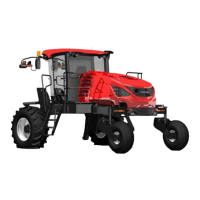
M1170
Windrower
Operators Manual
214733 Revision A
Original Instruction
The harvesting specialists.

Table of Contents

Other manuals for MacDon M1170

Questions and Answers

  • S
    Stephanie GatesAug 27, 2025
    What to do if the MacDon Tractor has water, dirt, or air in the fuel system?
    • A
      Ashley WuAug 27, 2025
      If your MacDon Tractor's fuel system is contaminated with water, dirt, or air, you will need to drain the system, flush it thoroughly, refill it with clean fuel, and then prime the system.
  • P
    pfullerAug 27, 2025
    What should I do if my MacDon Tractor has low battery output?
    • S
      sheena89Aug 27, 2025
      If your MacDon Tractor has low battery output, you should test the battery to determine its condition. Also, check the battery electrolyte level and replenish if necessary.
  • G
    Gary HerreraAug 28, 2025
    What to do if my MacDon Tractor has the improper type of fuel?
    • J
      Jorge WeaverAug 28, 2025
      If the MacDon Tractor has the improper type of fuel, you should drain the tank and refill it with the correct fuel.
  • J
    Jenna WagnerAug 28, 2025
    What to do if controls are not in NEUTRAL in MacDon Tractor?
    • M
      Mary FreyAug 29, 2025
      If the controls are not in NEUTRAL on your MacDon Tractor: * Move the GSL to NEUTRAL. * Move the steering wheel to the locked (centered) position. * Disengage the HEADER switch.
  • D
    dawnnewmanAug 29, 2025
    What to do if the operator’s station is not locked on a MacDon Tractor?
    • R
      ricenancyAug 29, 2025
      If the operator’s station is not locked on your MacDon Tractor, adjust the position of the operator’s station and ensure the lock is engaged.
  • J
    Joseph JonesAug 30, 2025
    How to fix an engine that won't crank on MacDon Farm Equipment?
    • D
      Dean MeyerAug 30, 2025
      If your MacDon Farm Equipment engine won’t crank, make sure the ground speed lever (GSL) is in NEUTRAL. Also, ensure the steering wheel is in the locked position and the HEADER ENGAGE switch is disengaged.
  • J
    Janet FernandezAug 31, 2025
    What should I do if the starter cranks slowly on my MacDon M1170?
    • M
      Maria PalmerAug 31, 2025
      If the starter on your MacDon Farm Equipment cranks slowly or doesn't operate, begin by checking the battery charge and clean and tighten any loose or corroded battery connections. Ensure all controls are in NEUTRAL by moving the GSL to NEUTRAL, positioning the steering wheel to the CENTER position, and disengaging the header. Inspect the relay and wire connections. Replace the main fuse if it is defective or blown, and also replace the key power fuse if blown. Lastly, ensure you are using the recommended oil.
  • B
    Brian LevyAug 25, 2025
    What to do if the crankcase oil is too heavy in my MacDon Tractor?
    • S
      sarah57Aug 25, 2025
      If the crankcase oil in your MacDon Tractor is too heavy, replace it with the recommended oil type.
  • S
    Stephanie JacksonSep 1, 2025
    What to do if lights don't light on MacDon Farm Equipment?
    • C
      Carol GreenSep 1, 2025
      If the lights on your MacDon Farm Equipment do not light, start by replacing any burned-out or defective light bulbs. Check the wiring for broken wires or shorts. Clean and tighten the ground wires. Inspect the circuit breaker. Finally, replace the relay if it is defective.
  • K
    klewisSep 2, 2025
    Why does my MacDon Farm Equipment engine run irregularly?
    • P
      Patricia ThompsonSep 2, 2025
      If your MacDon Farm Equipment engine runs irregularly or frequently stalls, check the following: Replace the clogged fuel filter and change the filter on the fuel tank vent line if there's an unsteady fuel supply. Drain, flush, and fill the fuel system if there is water or dirt in it. Remove and check the thermostat if the coolant temperature is low.

Summary

Chapter 1: Safety

Safety Alert Symbols

Indicates important safety messages in this manual and on safety signs on the machine.

Signal Words

Uses DANGER, WARNING, and CAUTION to alert you to hazardous situations.

General Safety Precautions

Provides general farm safety precautions for operating machinery, including personal protective equipment.

Maintenance Safety

Ensures safety while performing maintenance, including following good shop practices.

Hydraulic Safety

Provides safety guidelines for working with hydraulic systems, including leak testing.

Tire Safety

Offers safety precautions for servicing tires, including inflation procedures.

Battery Safety

Details safety precautions when working near batteries, including spark prevention.

Welding Precaution

Emphasizes correct procedures for welding to avoid damage to electronics.

Engine Safety

Provides safety guidelines for engine operation, including starting and potential hazards.

Safety Signs

Information on keeping safety signs clean, legible, and replacing missing or illegible ones.

Safety Sign Locations

Illustrations and table identifying the locations of various safety signs on the machine.

Understanding Safety Signs

Detailed explanation of specific safety signs and their associated warnings.

Chapter 2: Product Overview

Definitions

Lists and defines terms and acronyms used throughout the manual.

Specifications

Details technical specifications for the M1170 Windrower's engine, electrical system, and traction drive.

Windrower Dimensions

Provides key dimensions and measurements of the windrower with diagrams.

Component Location

Identifies major components of the windrower with front and rear views.

Chapter 3: Operator’s Station

Operator Console

Describes the controls and amenities located on the operator's console.

Operator Presence System

Details the safety feature that deactivates systems when the operator is not seated.

Operator’s Seat Adjustments

Explains how to adjust various features of the operator's seat for comfort.

Adjusting the Steering Column and Steering Wheel

Provides instructions for adjusting the steering column and steering wheel.

Lighting

Describes the operation of various lights, including cab-forward and engine-forward modes.

Engine Controls

Details the ignition switch, throttle, and Harvest Performance Tracker display controls.

Header Controls

Explains the operation of various header controls on the console and GSL handle.

Harvest Performance Tracker (HPT) Display

Describes the HPT screen layout and how to adjust settings.

Chapter 4: Operation

Owner;Operator Responsibilities

Outlines the user's responsibilities for safe operation and manual adherence.

Symbol Definitions

Defines symbols used to depict functions or reactions of instruments and controls.

Operating the Windrower

Covers operational safety, break-in period, daily checks, and engine start procedures.

Attaching and Detaching Headers

Provides procedures for attaching and detaching various header types to the windrower.

Checking Header Settings

Details how to navigate menus to check and adjust header settings.

Operating with a Header

Explains header operation, including safety props, float, drive, angle, and cutting height.

Operating with D1 X or D1 XL Series Draper Header

Provides specific instructions for operating D1X/D1XL Series Draper Headers.

Operating with an A40 DX Auger Header

Details operation procedures for the A40DX Auger Header, including reel/auger and knife speeds.

Operating with an R1 Series Self-Propelled Rotary Disc Header

Covers operation of R1 Series Rotary Disc Headers, including disc speed and float options.

Chapter 5: Maintenance and Servicing

Recommended Fuel, Fluids, and Lubricants

Details recommended specifications for fuel, fluids, lubricants, and system capacities.

Windrower Break-In Inspections and Maintenance Schedule

Outlines periodic maintenance procedures and service intervals to maximize machine life.

Engine Compartment

Covers procedures for opening and closing the engine hood.

Platform

Details procedures for opening, closing, adjusting, and accessing the platform.

System Maintenance Overviews

Provides overviews for DEF system, cooling system, air intake, hydraulic, and electrical systems.

Break-In Inspection Procedures

Lists specific procedures for break-in inspections, including torque values for nuts.

Every 10 Hours or Daily

Details daily maintenance tasks, including checks for fluids, tires, and hoses.

Every 50 Hours

Specifies maintenance tasks required every 50 hours, such as cleaning filters and greasing.

Every 100 Hours

Outlines maintenance tasks for every 100 hours of operation, including filter cleaning.

Every 250 Hours or Annually

Details maintenance tasks for every 250 hours or annually, including oil and filter changes.

Every 500 Hours or Annually

Covers maintenance tasks for every 500 hours or annually, including fuel and hydraulic filters.

Every 1000 Hours

Specifies maintenance tasks for every 1000 hours, including fuel tank vent filter.

Every 2000 Hours

Details maintenance tasks for every 2000 hours, including engine coolant change.

Annual Service

Lists annual maintenance tasks recommended prior to the operating season.

Maintenance as Required

Covers service procedures that should be performed as needed, like seat belt checks.

Chapter 6: Options and Attachments

Hood

Information on the High Debris Cooler Intake (Hood Scoops) kit.

Cab

Details automated steering systems and high performance lighting options for the cab.

Header Operation

Covers operation of headers, including booster spring kits and double windrow attachments.

Transport

Provides information on ballast, towing harness, and weight box for transport.

Chapter 7: Troubleshooting

Engine Troubleshooting

Lists common engine problems and their solutions, such as starting issues.

Electrical Troubleshooting

Addresses issues related to low voltage, dim or non-functional lights, and wiring problems.

Hydraulics Troubleshooting

Covers problems with the hydraulic system, such as lifting issues and temperature alarms.

Header Drive Troubleshooting

Details troubleshooting steps for header drive engagement, power loss, and alarms.

Traction Drive Troubleshooting

Addresses issues with the traction drive system, including alarms and wheel performance.

Steering and Ground Speed Control Troubleshooting

Covers problems with steering alignment, ground speed control, and stiffness.

Cab Air Troubleshooting

Details issues with the cab air system, including blower, heater, and air conditioning problems.

Operator’s Station Troubleshooting

Addresses issues related to operator's station comfort, such as rough ride.

Chapter 8: Reference

Torque Specifications

Provides correct torque values for various bolts, cap screws, and hydraulic fittings.

Metric Bolt Specifications

Details metric bolt specifications for different grades and materials.

O-Ring Boss (ORB) Hydraulic Fittings (Adjustable)

Instructions for installing and torquing adjustable O-ring boss hydraulic fittings.

O-Ring Boss (ORB) Hydraulic Fittings (Non-Adjustable)

Instructions for installing and torquing non-adjustable O-ring boss hydraulic fittings.

O-Ring Face Seal (ORFS) Hydraulic Fittings

Procedure for assembling O-ring face seal hydraulic fittings.

Tapered Pipe Thread Fittings

Guidance for assembling pipe thread fittings, including sealant and torque.

Conversion Chart

Provides conversion factors between SI units and US customary units.

Windrower Fault Codes

Lists windrower fault codes, including source address, SPN, FMI, and descriptions.

MacDon M1170 Specifications

General IconGeneral
BrandMacDon
ModelM1170
CategoryFarm Equipment
LanguageEnglish

Related product manuals