PowerPC e500 Core Family Reference Manual, Rev. 1
11-16 Freescale Semiconductor
L1 Caches
If the reservation has been canceled for any reason, then stwcx. fails and clears CR0[EQ]. The
architectural intent is to follow the lwarx/stwcx. instruction pair with a conditional branch that
checks whether stwcx. failed.
The state of the reservation coherency bit is always signaled. This can be used to determine when
an internal condition caused the coherency bit to be reset.
The reservation is invalidated when any asynchronous interrupt is signaled. External interrupts
and watchdog timer interrupts are examples of asynchronous interrupts.
11.4 L1 Cache Control
The core complex L1 caches are controlled by programming specific L1CSRn bits and by issuing
dedicated cache control instructions. Section 11.4.1, “Cache Control Instructions,” describes the
cache control instructions and gives implementation-specific information. The remainder of this
section describes how the cache control instructions and the L1CSRn bits are used to control the
L1 cache.
11.4.1 Cache Control Instructions
The following instructions can be used for management of the e500 L1 caches—dcba, dcbf, dcbi,
dcblc, dcbst, dcbt, dcbtls, dcbtst, dcbtstls, dcbz, icbi, icblc, icbt, and icbtls.
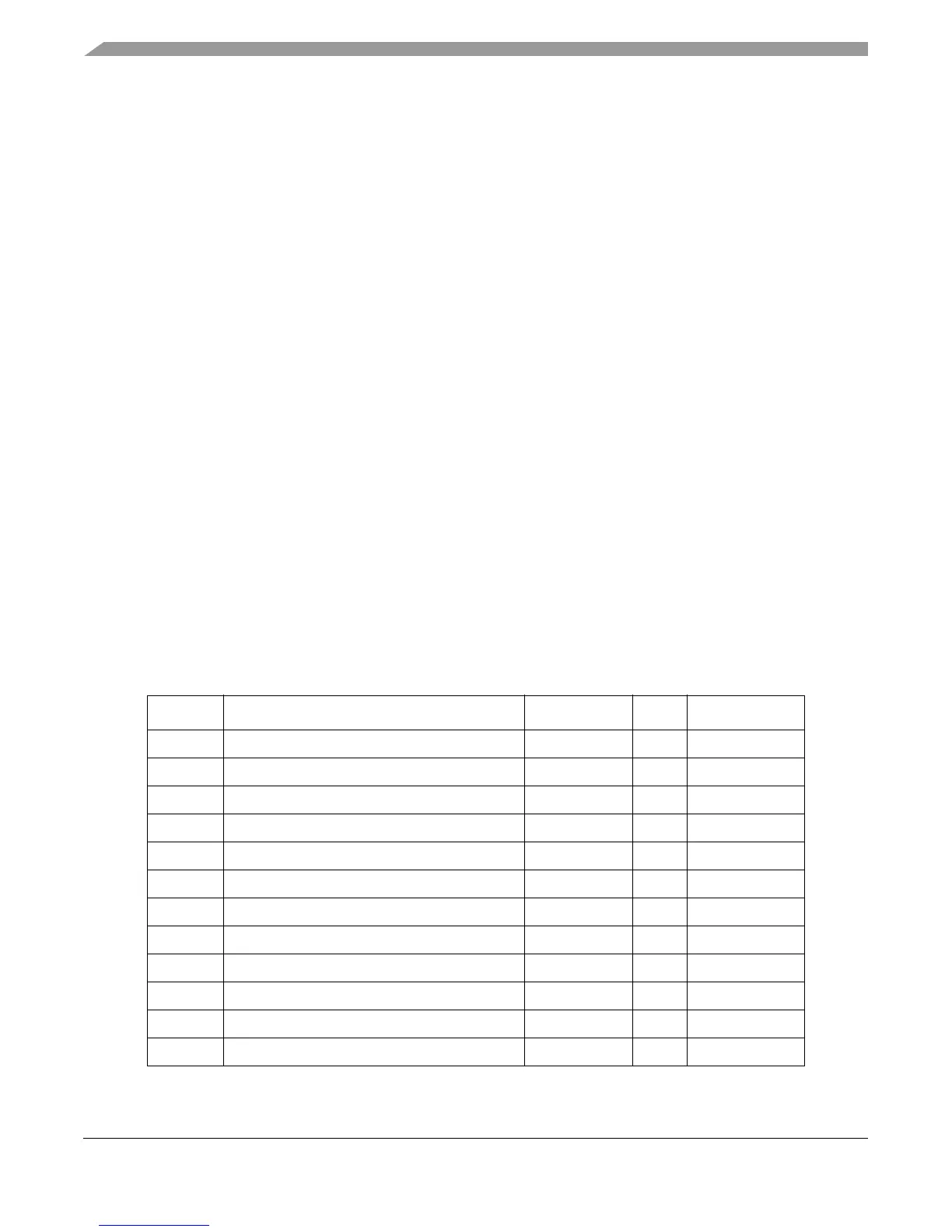
Table 11-6 shows how cache-control instructions apply to the e500 core, Book E architecture, and
the AIM definition of the PowerPC architecture.
Table 11-6. Cache Instruction Comparison
Mnemonic Instruction e500 Core Book E AIM Architecture
dcba Data Cache Block Allocate x x x
dcbf Data Cache Block Flush x x x
dcbi Data Cache Block Invalidate x x x
dcblc Data Cache Block Lock Clear x
dcbst Data Cache Block Store mapped to dcbf xx
dcbt Data Cache Block Touch x x x
dcbtls Data Cache Block Touch and Lock Set x
dcbtst Data Cache Block Touch for Store x x x
dcbtstls Data Cache Block Touch for Store and Lock Set x
dcbz Data Cache Block Zero x x x
icbi Instruction Cache Block Invalidate x x x
icblc Instruction Cache Block Lock Clear x



 To Next Page