PowerPC e500 Core Family Reference Manual, Rev. 1
2-20 Freescale Semiconductor
Register Model
2.7.1.6 Exception Syndrome Register (ESR)
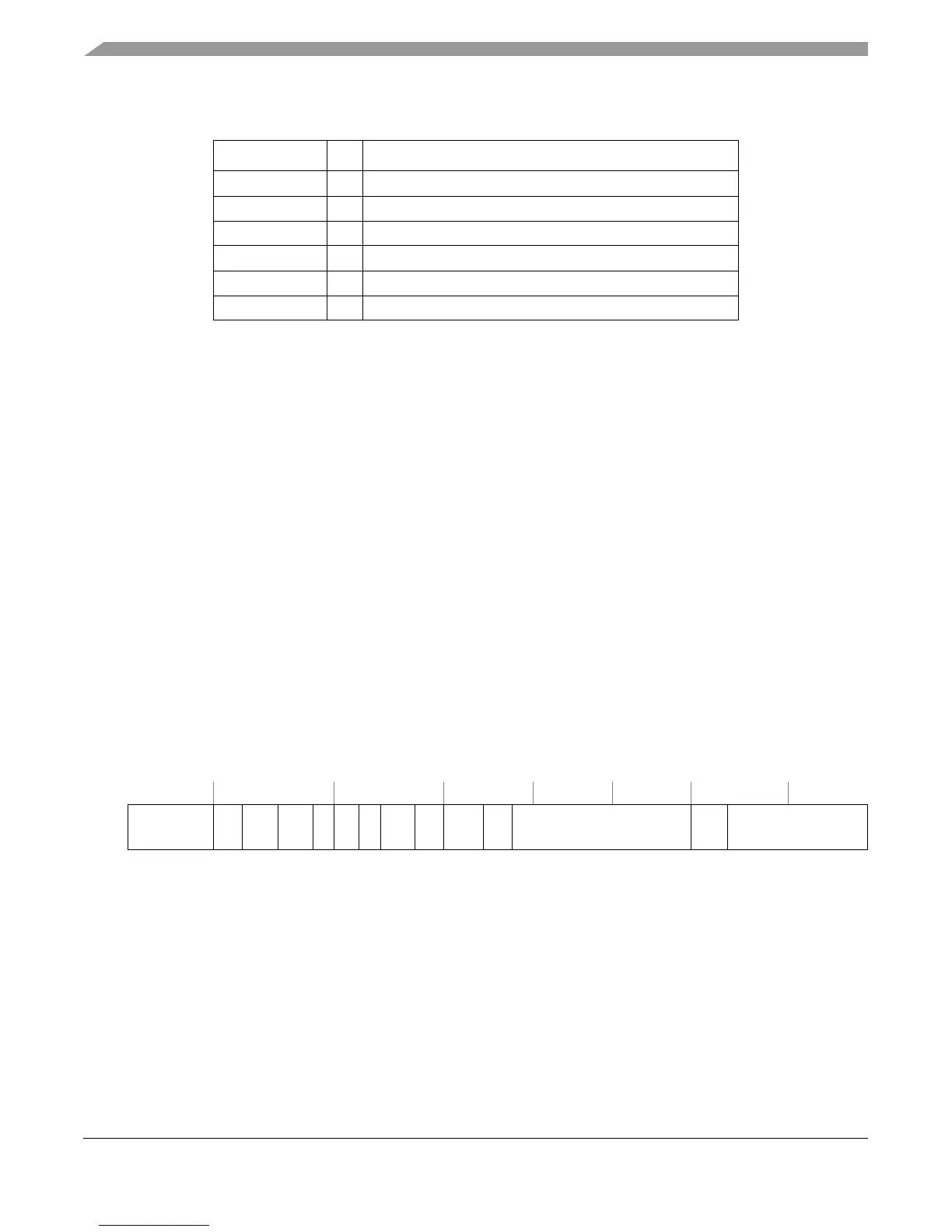
Figure 2-10 shows the ESR as it is defined on the e500.
The ESR provides a way to differentiate among exceptions that can generate an interrupt type.
When an interrupt is generated, bits corresponding to the specific exception that generated the
interrupt are set and all other ESR bits are cleared. Other interrupt types do not affect ESR
contents. The ESR does not need to be cleared by software. Table 2-9 shows ESR bit definitions.
The e500 defines ESR[SPE] as the SPE/embedded floating-point exception bit. It is set whenever
the processor takes an exception related to the execution of SPE or SPFP instructions. Note that
the e500 does not use the ESR for machine check interrupts, but instead uses the machine check
syndrome register, MCSR, described in Section 2.7.2.4, “Machine Check Syndrome Register
(MCSR).” The ESR is defined in Book E but differs in the following respects:
• The e500 defines ESR[DLK0] (bit 42) as ESR[DLK].
• The e500 defines ESR[DLK1] (bit 43) as ESR[ILK].
• The e500 defines ESR[SPE] (bit 56).
• The e500 does not implement FP, AP, PIE, or PUO.
IVOR16–IVOR31 — Reserved for future architectural use
IVOR32 528 (e500-specific) SPE APU unavailable
IVOR33 529 (e500-specific) Embedded floating-point data exception
IVOR34 530 (e500-specific) Embedded floating-point round exception
IVOR35 531 (e500-specific) Performance monitor
IVOR36–IVOR63 — Allocated for implementation-dependent use
SPR 62 Access: Supervisor-only
32 35 36 37 38 39 40 41 42 43 44 45 46 47 55 56 57 63
R
— PIL PPR PTR — ST — DLK ILK — BO — SPE —
W
Reset All zeros
Figure 2-10. Exception Syndrome Register (ESR)
Table 2-8. IVOR Assignments (continued)
IVOR Number SPR Interrupt Type



 To Next Page