234 Measurement Technique
imc CANSAS Users Manual - Doc. Version 1.9 - 05.12.2014© 2014 imc Meßsysteme GmbH
Naturally, sensor recognition only makes sense if the connected measurement devices are able to both
read and process the sensor's characteristic data. With Plug & Measure you are able to equip every
commercially available sensor with TEDS.
Most sensors used today (almost 100%) have no sensor recognition.
Another hurdle on the way to fulfilling the vision is the fact that certain sensors require customized signal
processing. This means that it's not possible to assign just any sensor to just any input of a standard
measurement device. In other words, not every sensor has a voltage output, but some require processing
or a supply source. The newest generation of devices, which includes UNI8, confronts this dilemma by
equipping every measurement channel to be able to measure every signal type, whether voltage,
current, temperature using thermocouples or resistance thermometers or even measurement bridges or
strain gauges. In other words, each channel is an all-purpose channel for practically every kind of physical
measurement quantity. This approach does make each individual channel more expensive than a channel
dedicated to just one quantity, but the enormous resulting advantages pay for themselves.
While constructing a measurement setup (positioning the sensors, cabling, and making settings for the
measurement device) once required the skills of an experienced measurement engineer, the new
automatic sensor recognition concept enables less qualified personnel to perform the procedure. Once a
sensor has been positioned, it can be connected at any unoccupied channel of the measurement system.
The particular channel and its number are no longer important, but rather the sensor's name as recorded
in the sensor recognition. For the user, it doesn’t matter to which physical channel a sensor was
connected, since he's usually only interested in the channel's name (e.g. Velocity_FrontWheel_Left) and
the physical assignment to a measurement channel is unimportant if every channel is identical.
sensor 2
Type K
sensor n
Type J
sensor 1
TEDS n
measurement device
TEDS 2
TEDS 1
sensor-
cable
sensor-
clip n
...
universal
Interface n
TEDS
Interface n
universal
Interface2
TEDS
Interface 2
universal
Interface1
TEDS
Interface 1
...
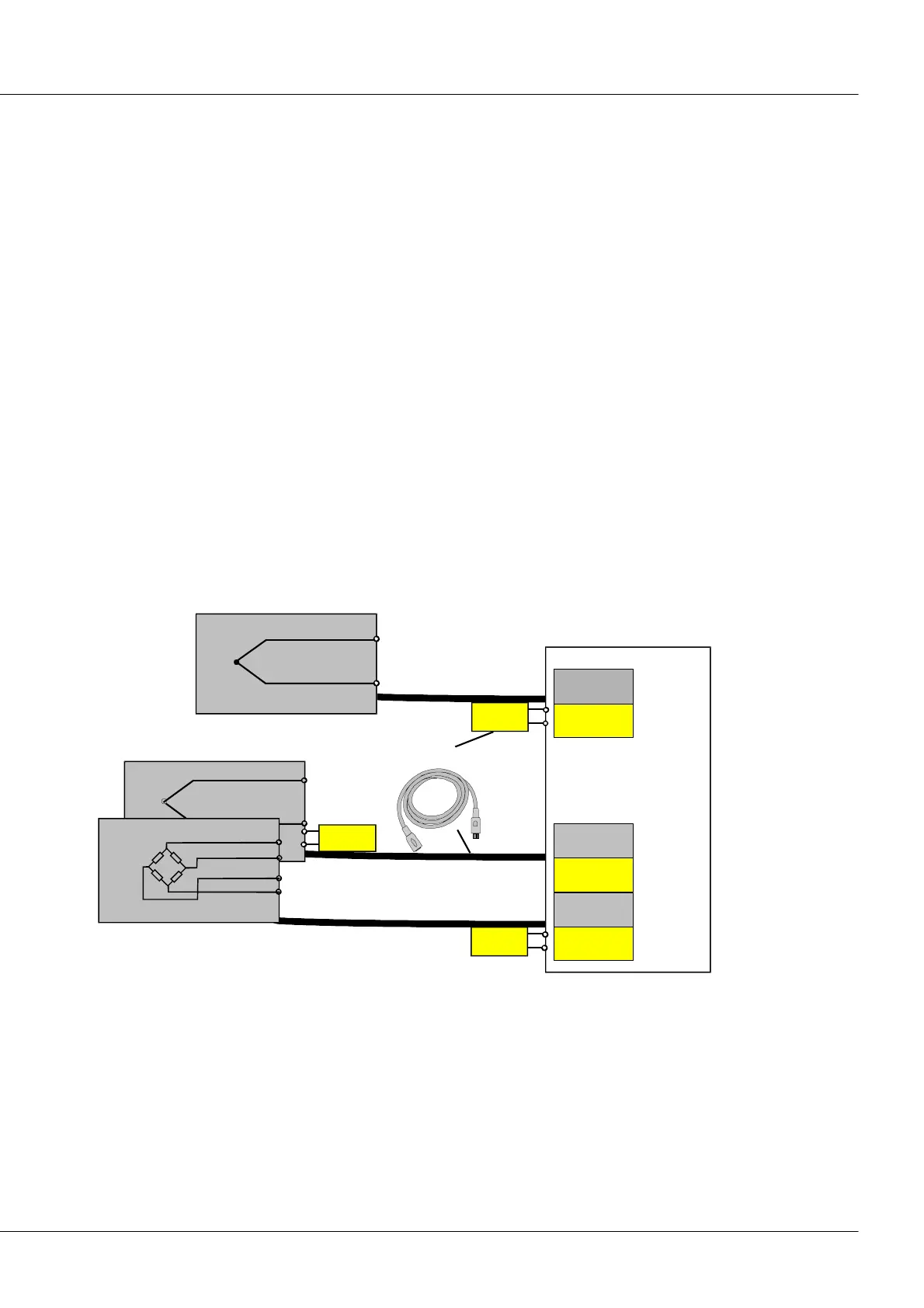
Fig 2: Sensors with freely assigned TEDS. The measurement device consists of n all-purpose sensor
interfaces. The retrofitted TEDS can be connected either at the sensor (TEDS 2) or at the measurement
system. the measurement channels are appropriate for practically any sensor, so that the sensors can be
connected to any unoccupied input on the device.


 To Next Page