4.84
SEL-751 Relay Instruction Manual Date Code 20170927
Protection and Logic Functions
Group Settings (SET Command)
the relay restarts the initial tuning process upon the re-energization of the line.
When EHIF is set to T, the detection algorithm bypasses the 24-hour tuning
process and is available immediately for testing purposes. The relay must be
tracking frequency in order for the high-impedance fault detection algorithm
to work; if the relay is not tracking frequency, the algorithm is disabled.
The SEL-751 can be applied to systems where long-term reconfiguration
occurs. For example, long-term distribution system reconfiguration may occur
during certain abnormal conditions to minimize the number of people that are
affected. Such reconfiguration can impact the effectiveness of the HIF algo-
rithm. The HIF algorithm adapts to minor changes in load, but large changes
may cause the long-term reference quantity to inaccurately represent the exist-
ing system conditions. To prevent system reconfiguration from adversely
impacting the performance of the HIF algorithm, the programmable SEL
OGIC
control equation HIFITUNE can be used to restart the 24-hour initial tuning
process after the system has reconfigured.
High-impedance fault detection sensitivity is controlled by the group SEL
OGIC
control equation setting HIFMODE. Assertion of this logic equation sets Relay
Word bit HIFMODE and increases the sensitivity of the detection algorithm.
EXAMPLE 4.11 HIFMODE Programming and Operation
As detailed previously, assertion of the HIFMODE SEL
OGIC control equation
controls the sensitivity of the high-impedance fault detection algorithm.
Field experience may suggest that downed conductor events that lead to
high-impedance faults might occur more frequently during periods of storm
activity. Furthermore, conductor configuration could make it likely that a
downed conductor might initially create a high-current fault by making
temporary contact with another conductor. This fault would be detected and
cleared; disappearing upon a successful autoreclosure. The downed
conductor would then be creating a high-impedance fault. It is during this
time that it would be desirable to increase the sensitivity of the high-
impedance fault detection algorithm. For example, a successful reclosure
Relay Word bit could trigger a timer input. The dropout period of the timer
is set to the period of time that is desired for increased detection sensitivity.
Enter the following Group Settings:
EHIF := Y
HIFMODE := SV16T AND 52A
Enter the following Logic Settings:
SV16PU := 0.00 # Pickup set to 0.00 sec
SV16DO := 1800 # Dropout set to 30.0 minutes on a 60 Hz
system
SV16 := R_TRIG 79RI # (in reclose cycle state)
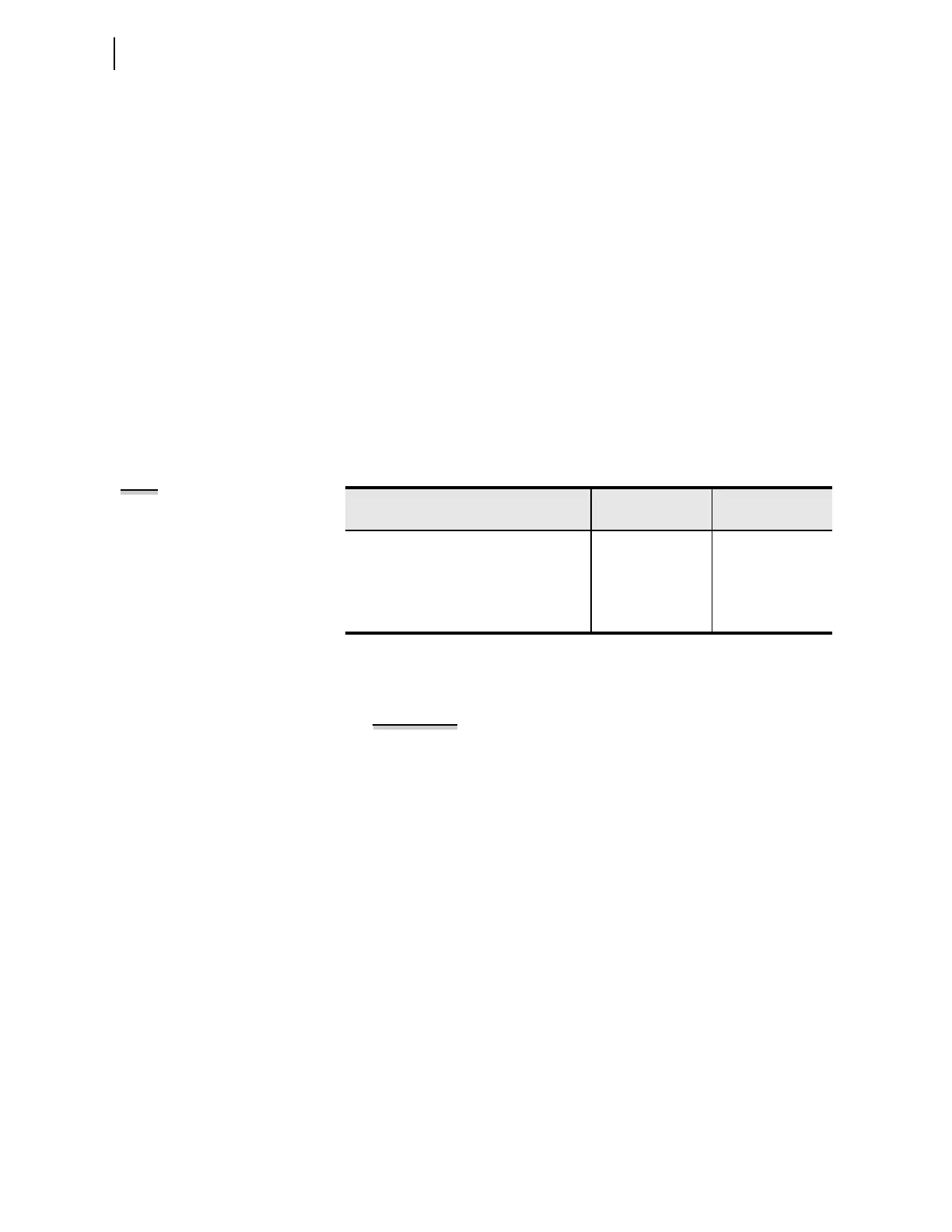
Table 4.28 High-Impedance Fault (HIF) Detection Settings
Setting Prompt Setting Range
Setting Name :=
Facto r y Default
HIF EN Y, N, T EHIF := N
HIF DETECTION SENSITIVITY SEL
OGIC HIFMODE := 0
HIF EVENT REPORT EXT. TRIGGER
a
a
SEL recommends that you use edge-triggered Relay Word bits in the HIFER SELOGIC equation;
otherwise, there may be issues when triggering multiple reports if the HIFER SEL
OGIC
equation has multiple Relay Word bits and one of the Relay Word bits is asserted for a
prolonged period of time (e.g., HIFER := R_TRIG 51G1P OR R_TRIG 51G1T).
SELOGIC HIFER := 0
BEGIN 24 HOUR INITIAL HIF TUNING SEL
OGIC HIFITUNE := 0
NOTE: A minimum of 0.05 • INOM
load current is expected for
successful tuning of the HIF
detection algorithm.


 To Next Page