4.119
Date Code 20170927 Instruction Manual SEL-751 Relay
Protection and Logic Functions
Group Settings (SET Command)
Settings
The LOP function is always active unless blocked by the corresponding
SEL
OGIC control equation, LOPBLK (see Table 4 .4 6 for the setting and
Figure 4.73 for the LOP logic). The default value is LOPBLK := 0. Certain
switching operations can result in LOP assertion when the drop in V1 is
greater than 20 percent with no or very little change in sequence currents.
Consider using LOPBLK to avoid assertion of LOP under such conditions.
You must incorporate the LOP function in a SEL
OGIC control equation to
supervise relay protection elements (see Example 4.16).
LOP Impact on Other Protection Elements
Undervoltage and directional power elements require accurate relaying poten-
tials for correct operation. It is critical that the relay detects an LOP condition
and prevents operation of these elements. For example, when dropping a
wrench on the phase-voltage input fuse holders, the relay LOP logic accu-
rately determines that this loss of input voltages is an LOP condition and does
not trip if the LOP Relay Word bit supervises selected tripping elements (see
Example 4.16). If you are using voltage-determined relay elements for trip-
ping decisions, then blocking these elements is crucial when the voltage com-
ponent is no longer valid.
EXAMPLE 4.16 Supervising Voltage-Element Tripping With LOP
The factory-default setting supervises undervoltage trip by the LOP as
shown by the following:
SV01 := … OR (27P1T OR 27P2T) AND NOT LOP
Similarly, if you want the additional voltage-affected elements (e.g., 55T) to
act only when there are correct relaying potentials voltage, use the
following in the equation:
… OR (27P1T OR 27P2T OR 55T) AND NOT LOP …
and remove 55T from TR
You can supervise each element separately or as a group when these
elements occur in the trip equations, as shown in this example.
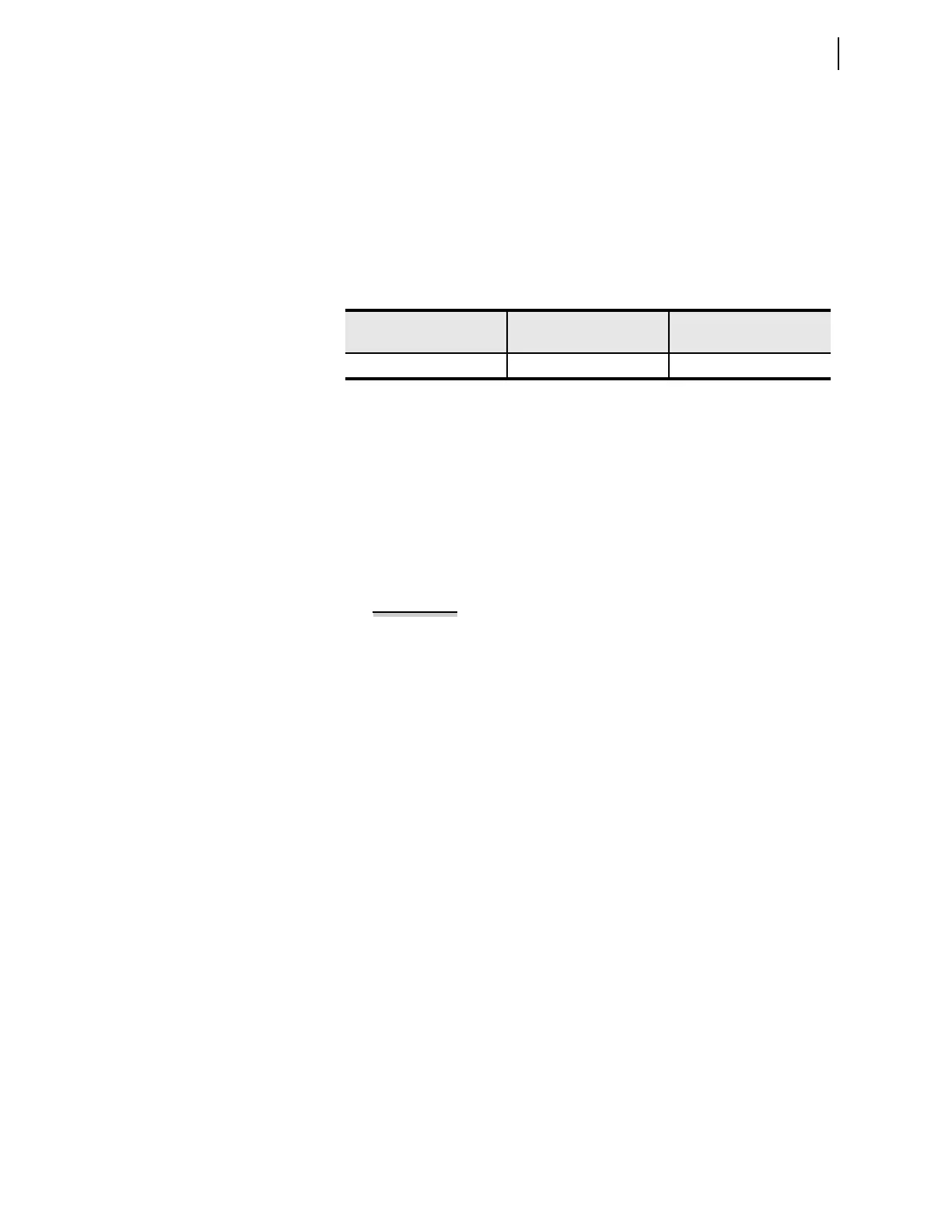
Table 4.46 Loss-of-Potential (LOP) Setting
Setting Prompt Setting Range
Setting Name :=
Factory De fault
LOP BLOCK SELOGIC LOPBLK := 0


 To Next Page