Appendix F
F-4 MIPS R4000 Microprocessor User's Manual
β Only one instruction is needed to separate Index Load Tag and
MFC0 Tag, even though table timing indicates otherwise.
γ An MTC0 of a CPR must not be immediately followed by MFC0 of
the same CPR.
δ With an MTC0 to Status that modifies KSU and sets EXL or ERL, it
is possible for the five instructions following the MTC0 to be
executed incorrectly in the new mode, and not correctly in the
kernel mode. This can be avoided by setting EXL first, and only
later changing the value of KSU.
ε There must be two non-load, non-CACHE instructions between a
store and a CACHE instruction directed to the same primary cache
line as the store.
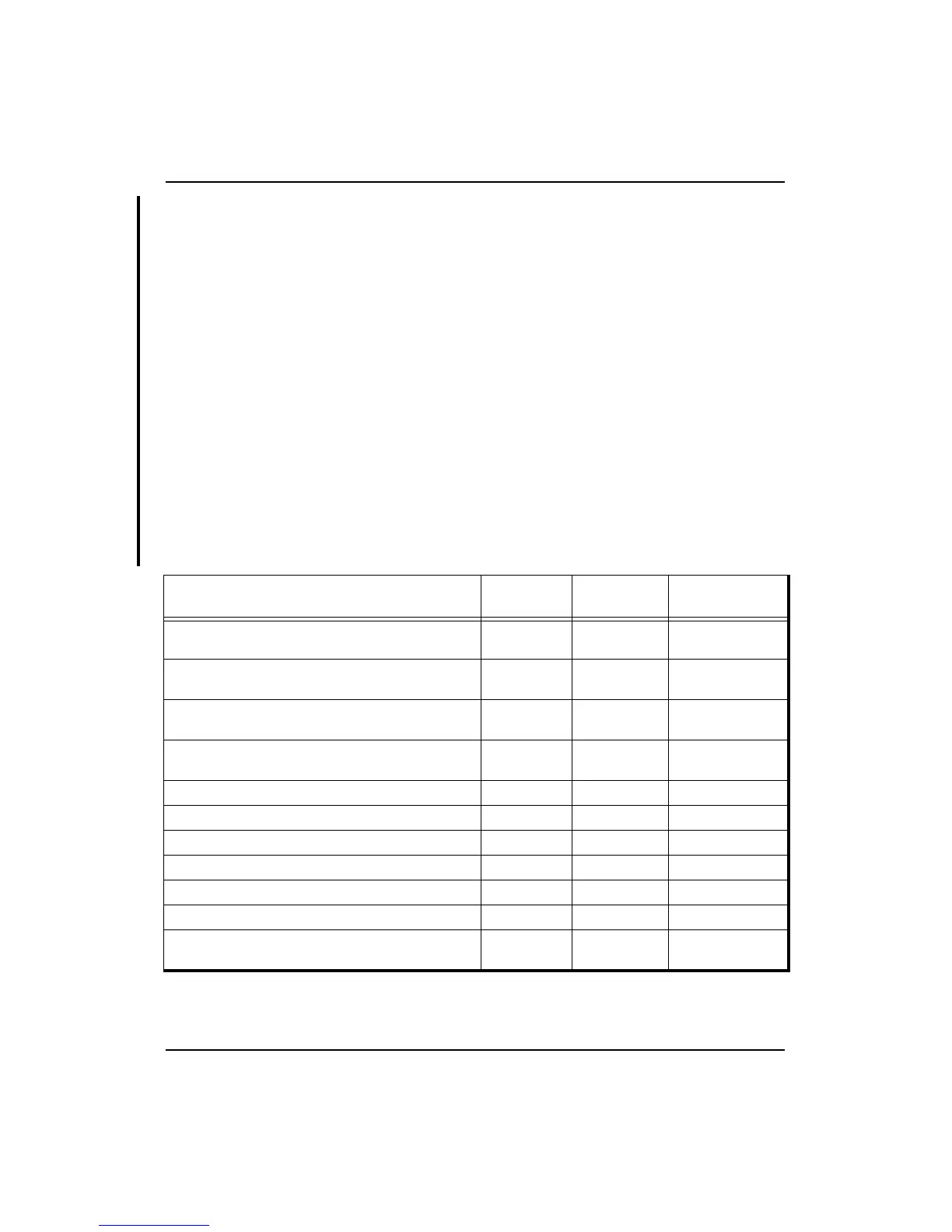
Table F-2 lists some hazard conditions, and the number of instructions that
must come between the writer and the user. The table shows the data item
that creates the hazard, and the calculation for the required number of
intervening instructions.
Table F-2 CP0 Hazards and Calculated Delay Times.
†. You cannot depend on a delay in effect if the instruction execution order is changed by exceptions.
In this case, for example, the minimum delay for IE to be effective is the maximum delay before a
pending, enabled interrupt can occur.
Writer → User Hazard On
Instructions
Between
Calculation
TLBWR/
TLBWI
→ TLBP TLB entry
3 8-(4+1)
TLBWR/
TLBWI
→
load/store using new TLB
entry
TLB entry
3 8-(4+1)
TLBWR/
TLBWI
→
I-fetch using new TLB
entry
TLB entry
5 8-(2+1)
MTCO
Status[CU]
→
Coprocessor instruction
needs CU set
Status[CU]
4 7-(2+1)
TLBR → MFC0 EntryHi EntryHi
3 8-(4+1)
MTC0 EntryLo0 → TLBWR/TLBWI EntryLo0
1 7-(5+1)
TLBP → MFC0 Index Index
2 7-(4+1)
MTC0 EntryHi → TLBP EntryHi
1 7-(5+1)
MTC0 EPC → ERET EPC
2 7-(4+1)
MTC0 Status → ERET Status
3 7-(3+1)
MTC0
Status[IE]
→ instruction interrupted
†
Status[IE]
3 7-(3+1)


 To Next Page