User Manual UMN:CLI
V5808
397
8.13.2.2 Configuring PPPoE Vendor Tag Filtering
The PPPoE filter will decide the way that PPPoE packet is forwarded. Each filter has a
unique filter ID. This ID is also used as a priority. The filter having the highest priority will
be chosen. The filter can be applied for all ports in switch or some specific ports, all
VLANs or some specific VLAN IDs, and chose action drop or permit.
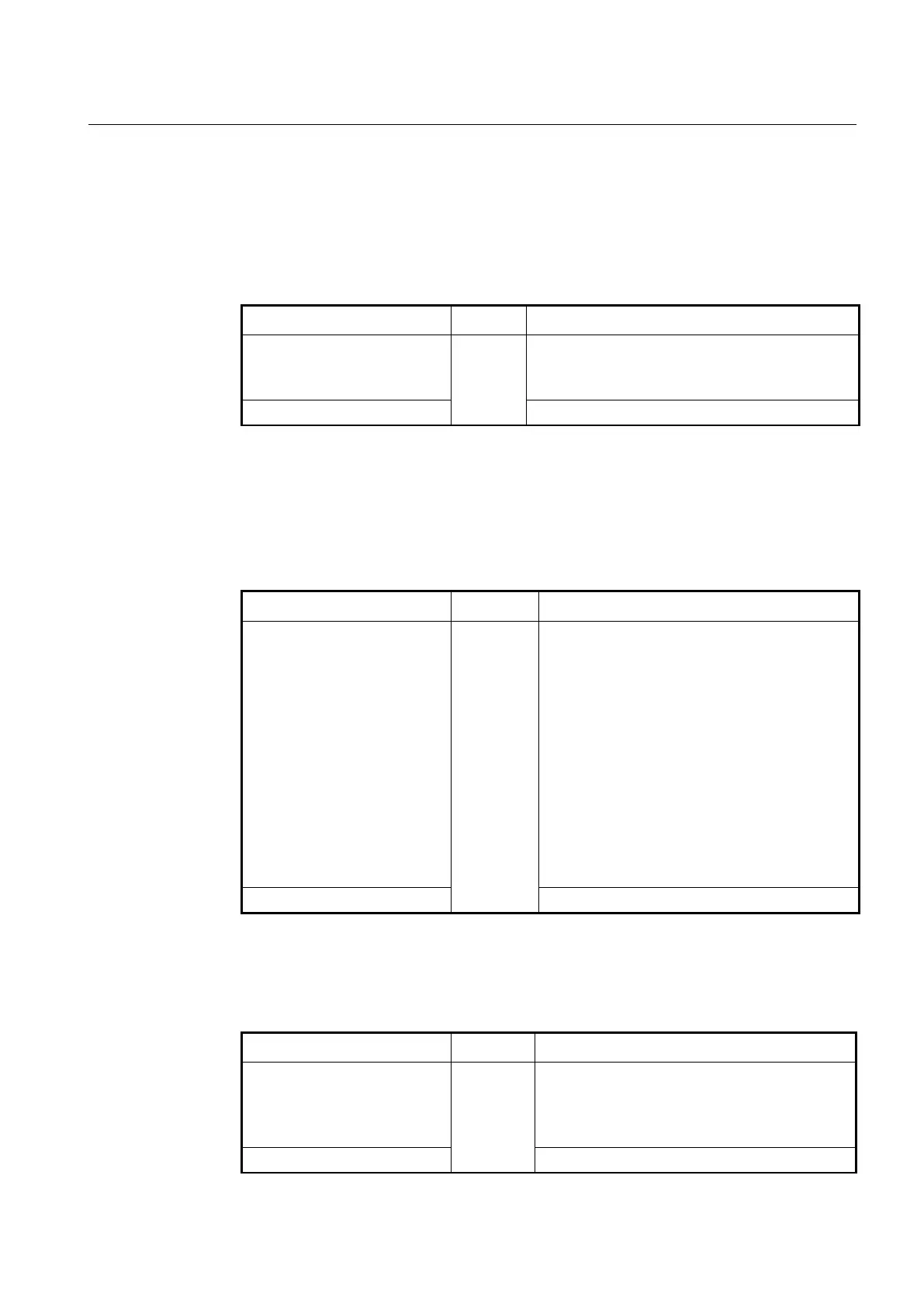
To create a PPPoE packet filter and define the filter, use the following command.
flt-id <1-16> port {any | PORTS}
vid {any | VLANS} action {drop |
permit}
Creates a PPPoE filter ID and selects a port number,
VLAN ID and filter action policy (drop/permit).
1-16: PPPoE filter ID
Removes the configured PPPoE filter ID.
PPPoE tag operation is the action applied on the PPPoE tag field of the permitted PPPoE
packet. The tag operation has lower priority than filter action and can select one action
from remove, keep, add, update and replace.
To set the tag operation which will be applied to the PPPoE vendor tag field of the
permitted PPPoE packets, use the following command.
tag-opr-id <1-16> type CODE
port {any | PORTS} vid {any |
VLANS} action {remove | keep |
add | update | replace} format
NAME
Specifies a PPPoE tag operation on a port and VLAN.
1-16: tag operation ID
CODE: PPPoE Vendor tag type code (e.g. 0x0105 for
Vendor-specific)
remove: Remove the vendor tag from the PPPoE
packets.
keep: Keep the vendor tag in the PPPoE packets.
add: Add the vendor tag the PPPoE packet if it is not
existed.
update: Update or add the vendor tag to PPPoE packet
regardless of the existence of the tag.
replace: Replace the vendor tag if it exist.
NAME: PPPoE vendor tag format name
Removes the PPPoE tag operation.
8.13.3 PPPoE Debug
To enable debugging of all PPPoE or a specific feature of PPPoE, use the following
command.
debug pppoe { all | func | pkt }
Enables PPPoE debugging.
all: all PPPoE features
func: PPPoE function
pkt: PPPoE packet
no debug pppoe { all | func |
Disables PPPoE debugging.


 To Next Page