UMN:CLI User Manual
V5808
470
stops forwarding the multicast traffic. However, MLD messages may get lost for various
reasons, so you can specify the number of sending query messages and its interval.
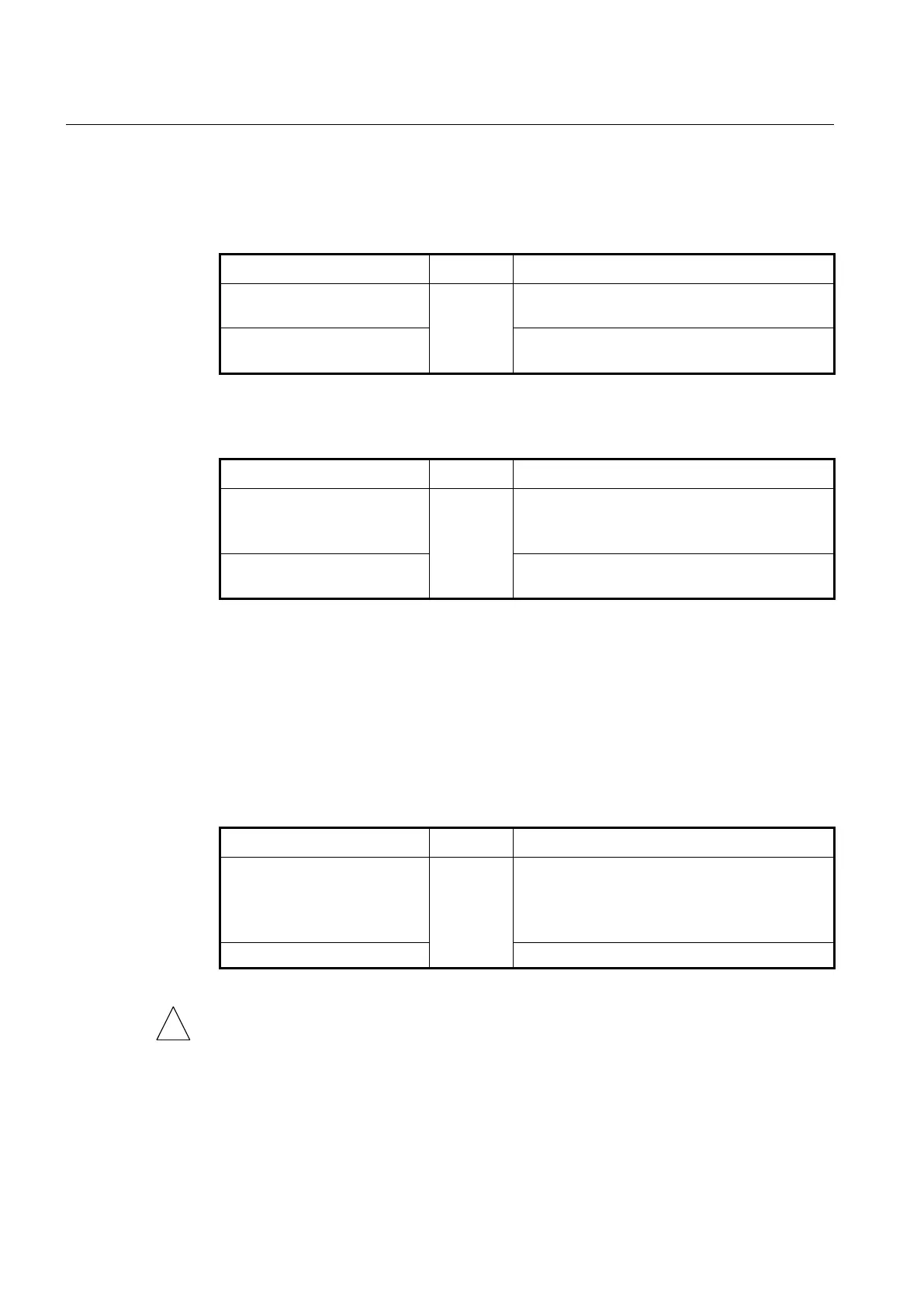
To specify the number of sending Multicast-address-specific or Multicast-address-source-
specific query messages, use the following command.
ipv6 mld last-member-query-
count <2-7>
Specifies a last member query count.
2-7: last member query count value (default: 2)
no ipv6 mld last-member-query-
count
Deletes a specified last member query count.
To specify the interval to send group-specific or group-source-specific query messages,
use the following command.
ipv6 mld last-member-query-
interval <1000-25500>
Specifies a last member query interval.
1000-25500: last member query interval
(default: 1000 milliseconds)
no ipv6 mld last-member-query-
interval
Deletes a specified last member query interval.
10.1.6.5 MLD Immediate Leave
Normally, a querier sends a Multicast-address-specific or Multicast-address-source-
specific query message upon receipt of a done message from a host. If you want to set a
leave latency as 0 (zero), you can omit the querying procedure. When the querying
procedure is omitted, the router immediately removes the interface from the MLD cache
for that group, and informs the multicast routing protocols.
To enable the MLD immediate leave feature on a current interface, use the following
command.
ipv6 mld immediate-leave
group-list WORD
Enables the MLD immediate leave.
1-99: IP standard access list
1300-1999: IP standard access list (extended range)
WORD: IPv6 access list name
no ipv6 mld immediate-leave
Disables the IGMP immediate leave.
Use this command only on MLDv1 and MLDv2 interfaces to which one host is connected.
If there is more than one host connected to a network segment through the same
interface, and a certain host receives a done message, the router will remove all hosts on
the interface from the multicast group. The router will lose contact with the hosts that
should remain in the multicast group until they send join requests in response to the
router's next general query.


 To Next Page