User Manual UMN:CLI
V5808
425
packet loss. Thus, a period of multicast flooding needs to be controlled to solve such a
problem.
Enabling TCN Multicast Flooding
To enable the switch to flood multicast traffic when TCN is received, use the following
command.
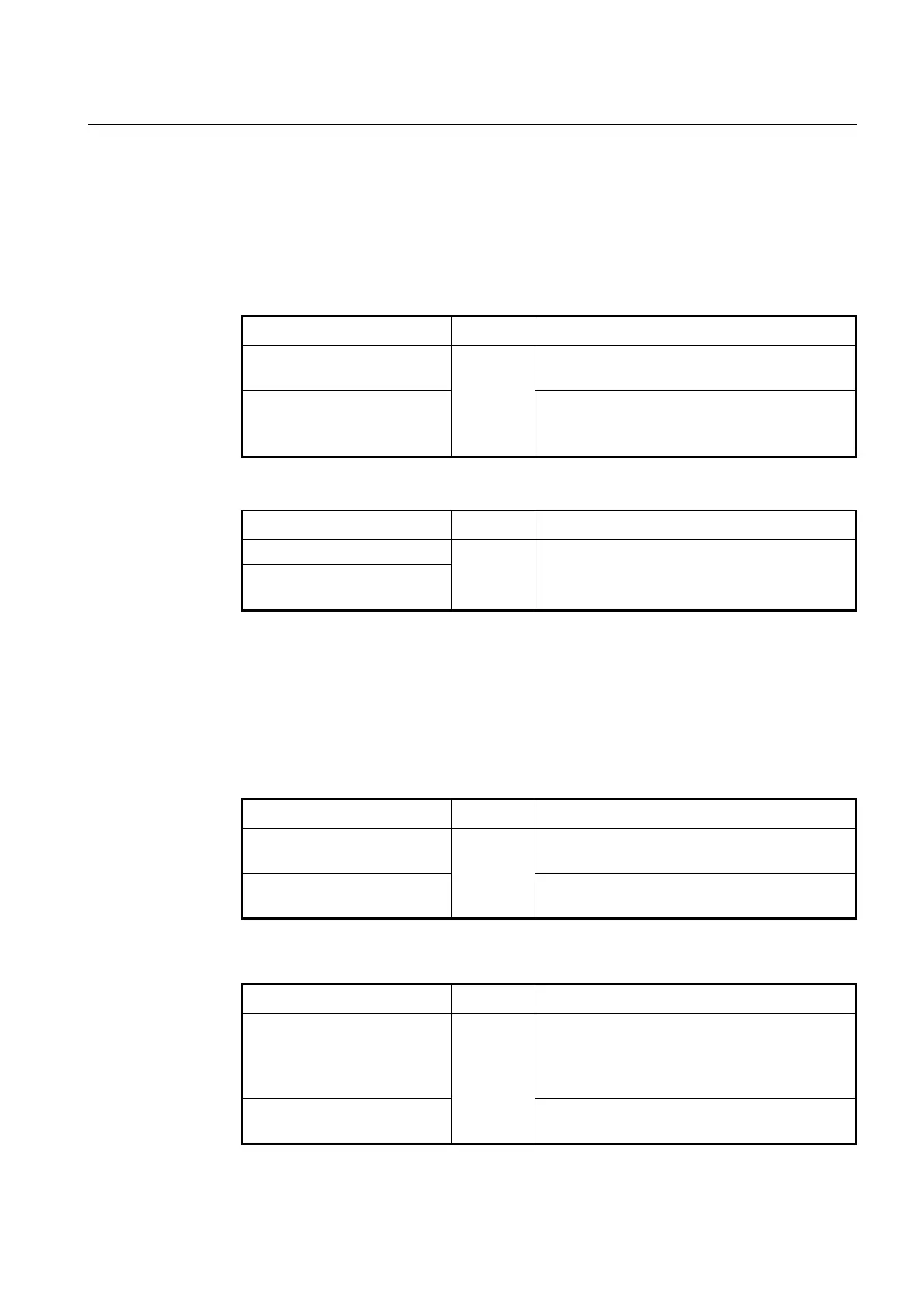
ip igmp snooping tcn flood
Enables the switch to flood multicast traffic when TCN
is received.
ip igmp snooping tcn vlan
VLANS flood
Enables the switch to flood multicast traffic on a VLAN
when TCN is received.
VLANS: VLAN ID (1-4094)
To disable the switch to flood multicast traffic when TCN is received, use the following
command.
no ip igmp snooping tcn flood
Disables the switch to flood multicast traffic when TCN
is received
no ip igmp snooping tcn vlan
VLANS flood
TCN Flooding Suppression
When TCN is received, the switch where an IGMP snooping is running will flood multicast
traffic to all ports until receiving two general queries, or during two general query intervals
by default. You can also configure the switch to stop multicast flooding according to a
specified query count or query interval.
To specify a query count to stop multicast flooding, use the following command.
ip igmp snooping tcn flood
query count <1-10>
Specifies a query count to stop multicast flooding.
1-10: query count value (default: 2)
no ip igmp snooping tcn flood
query count
Deletes a specified query count to stop multicast
flooding.
To specify a query interval to stop multicast flooding, use the following command.
ip igmp snooping tcn flood
query interval <1-1800>
Specifies a query interval to stop multicast flooding in
the unit of second. An actual stop-flooding interval is
calculated by (query count) x (query interval).
1-1800: query interval value (default: 125)
no ip igmp snooping tcn flood
query interval
Deletes a specified query interval to stop multicast
flooding.


 To Next Page