User Manual UMN:CLI
V5808
469
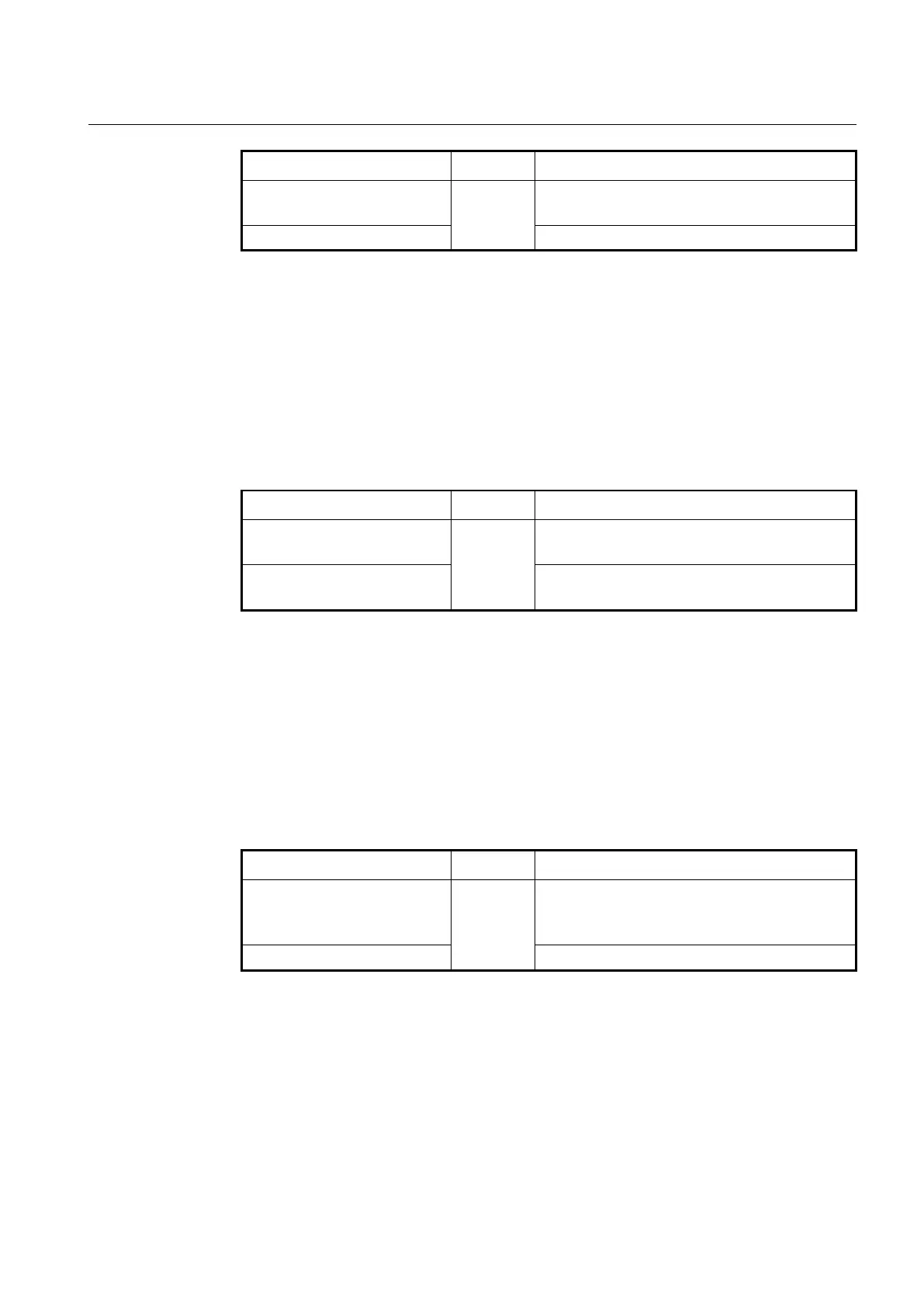
ipv6 mld query-interval
<1-18000>
Specifies a general query interval.
1-18000: query interval (default: 125 seconds)
no ipv6 mld query-interval
Deletes a specified general query interval.
10.1.6.2 MLD Query Response Time
In MLD version 1 and 2, membership query messages include the maximum query
response time field. This field specifies the maximum time allowed before sending a
responding report. The maximum query response time allows a router to quickly detect
that there are no more directly connected group members on a network segment.
To specify a maximum query response time advertised in membership query messages,
use the following command.
ipv6 mld query-max-response-
time <1-240>
Specifies a maximum query response time.
1-240: maximum response time (default: 10 seconds)
no ipv6 mld query-max-
response-time
Deletes a specified maximum query response time.
10.1.6.3 MLD Querier Timeout
There should be a MLD querier on a network segment to prevent duplicating multicast
traffic for connected hosts. When there are several routers, if the router has the lowest
IPv6 address or if the router hears no queries during the timeout period, it becomes the
querier.
To specify a timeout period before a router takes over as a querier for the interface after
the previous querier has stopped querying, use the following command.
ipv6 mld querier-timeout <60-
300>
Specifies an MLD queier timeout period.
60-300: MLD previous querier-timeout value (default:
255 seconds)
no ipv6 mld querier-timeout
Deletes a specified MLD queier timeout value.
10.1.6.4 MLD Last Member Query Count and Interval
When a host is not interested in receiving the multicast traffic for a particular group any
more, it can explicitly leave the group by sending leave group messages.
Upon receiving a done message, a querier then sends out a Multicast-address-specific
(MLDv1) or Multicast-address-source-specific query (MLDv2) message to determine if
there is still any host interested in receiving the traffic. If there is no reply, the querier


 To Next Page