UMN:CLI User Manual
V5808
486
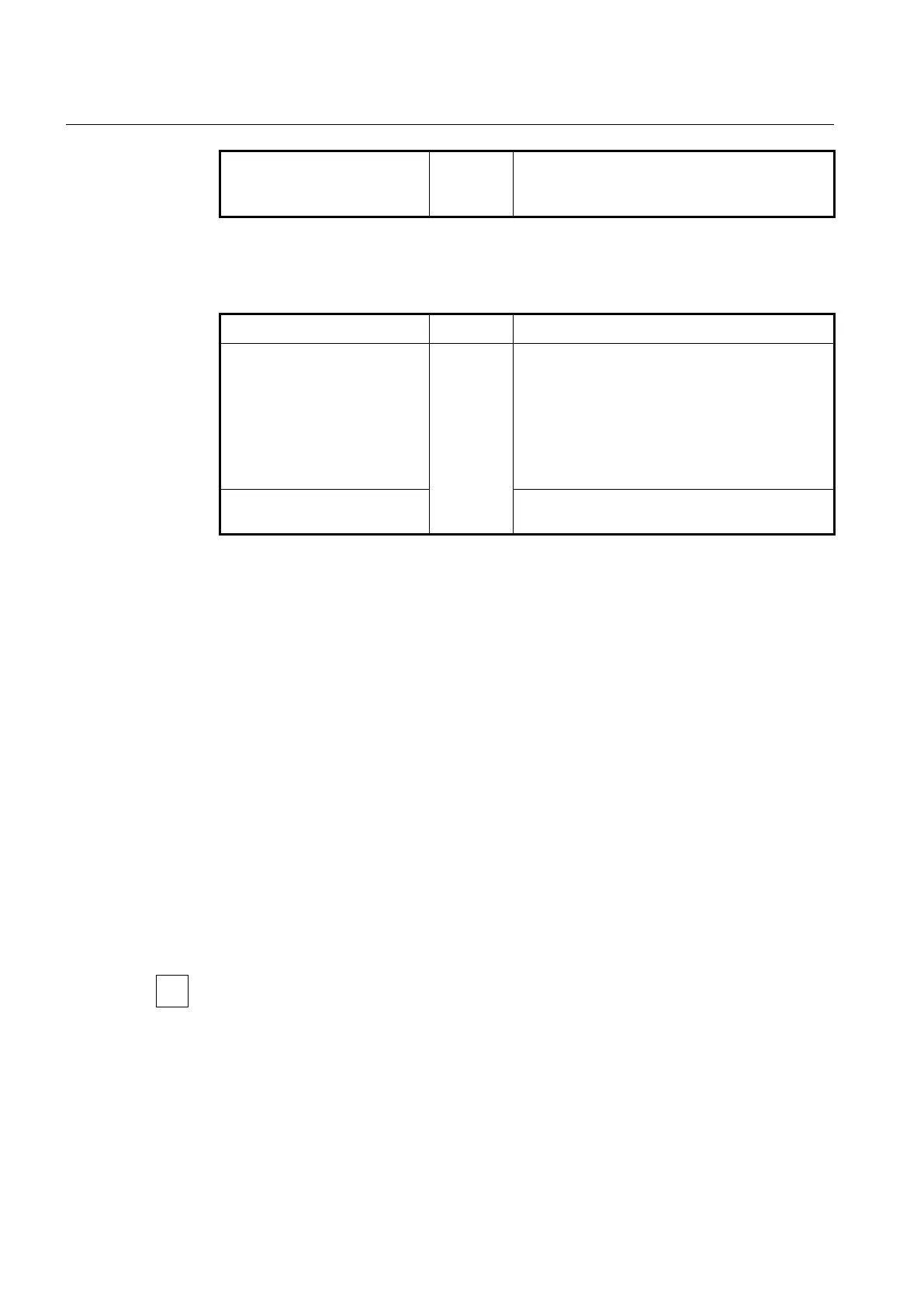
show ipv6 mfib [vlan VID | group
X:X::X:X] [detail]
Shows the multicast forwarding entries in the MFIB.
VID: VLAN ID (1-4094)
X:X::X:X: IPv6 multicast group address
10.3.1.8 MRIB Debug
To debug events in the MRIB, use the following command.
debug nsm mcast6 {all | fib-msg
| mif | mrt | register | stats}
Debugs events in the MRIB.
all: all IPv6 multicast debugging
fib-msg: MFIB messages
mif: multicast interface
mrt: multicast routes
register: multicast PIM register messages
stats: multicast statistics
no debug nsm mcast6 {all | fib-
msg | mif | mrt | register | stats}
Disables the debug event.
10.3.2 PIMv6 Basic
Protocol Independent Multicast (PIM) is the most widely deployed multicast routing
protocol. It may use the underlying unicast routing information base, but is not dependent
on any particular unicast routing protocol. PIM has two operation modes, which are called
PIM Sparse Mode (PIM-SM) and PIM Dense Mode (PIM-DM), each optimized for a
different environment. IPv6 PIM supports the PIM-SM only.
PIM-SM is a multicast routing protocol efficient for multicast groups that may span wide-
area (and inter-domain) internets. In the sparse mode, routers forward multicast packets
only when they receives explicit join messages from neighboring routers that have
downstream group members. PIM-SM uses a unidirectional shared tree per group to
deliver multicast traffic, and optionally uses the shortest path tree per source.
PIM-DM is a multicast routing protocol efficient for multicast groups that are densely
populated across a network. In the dense mode, routers initially flood multicast datagrams
to all multicast routers, since they assume that all downstream systems want to receive
multicast packets. Prune messages are then used to prevent from propagating to routers
with no group members. Both PIM protocols use the same message formats.
This switch currently supports PIM-SM only.
PIM-SM Operation
When multicast receivers indicate their interests in certain multicast groups, the DR of the
receivers sends PIM join messages with (*, G) state toward the RP for those groups.
While the join messages flow hop-by-hop toward the RP, each PIM router along the path
adds the interface on which the join messages are received to the outgoing interface
(OIF) list with the join state, and sends the messages to the interface toward the RP.


 To Next Page