P.3.163
Date Code 20151029 Protection Manual SEL-411L Relay
Protection Functions
Out-of-Step Logic (Zero Settings)
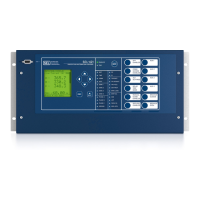
Figure 3.100 Open-Pole OSB Unblock Logic
Out-of-Step Logic (Zero Settings)
Use the zero-setting out-of-step (OOS) blocking function element when the
slip frequency of your system is in the 0.1 to 7 Hz range. (Download the
technical paper Zero-Setting Power-Swing Blocking Protection by G.
Benmouyal, Daqing Hou, and Demetrios Tziouvaras from the SEL website
for more information).
To use the conventional power swing blocking function, set EOOS = Y.
To use the zero-setting power swing blocking function, set EOOS = Y1.
No-Setting OOS
Blocking Base Block
Diagram
The zero-setting out-of-step blocking function is based on the five functional
blocks shown in Figure 3.101. These blocks are the swing-center voltage
slope detector, the swing signature detector, the reset conditions, the
dependable out-of-step blocking detector, and the three-phase fault detector.
Notice that when either SD (swing-center voltage slope detector) or SSD
(swing signature detector) asserts, the Latch is set, and OSB_I and OSB are
also latched.
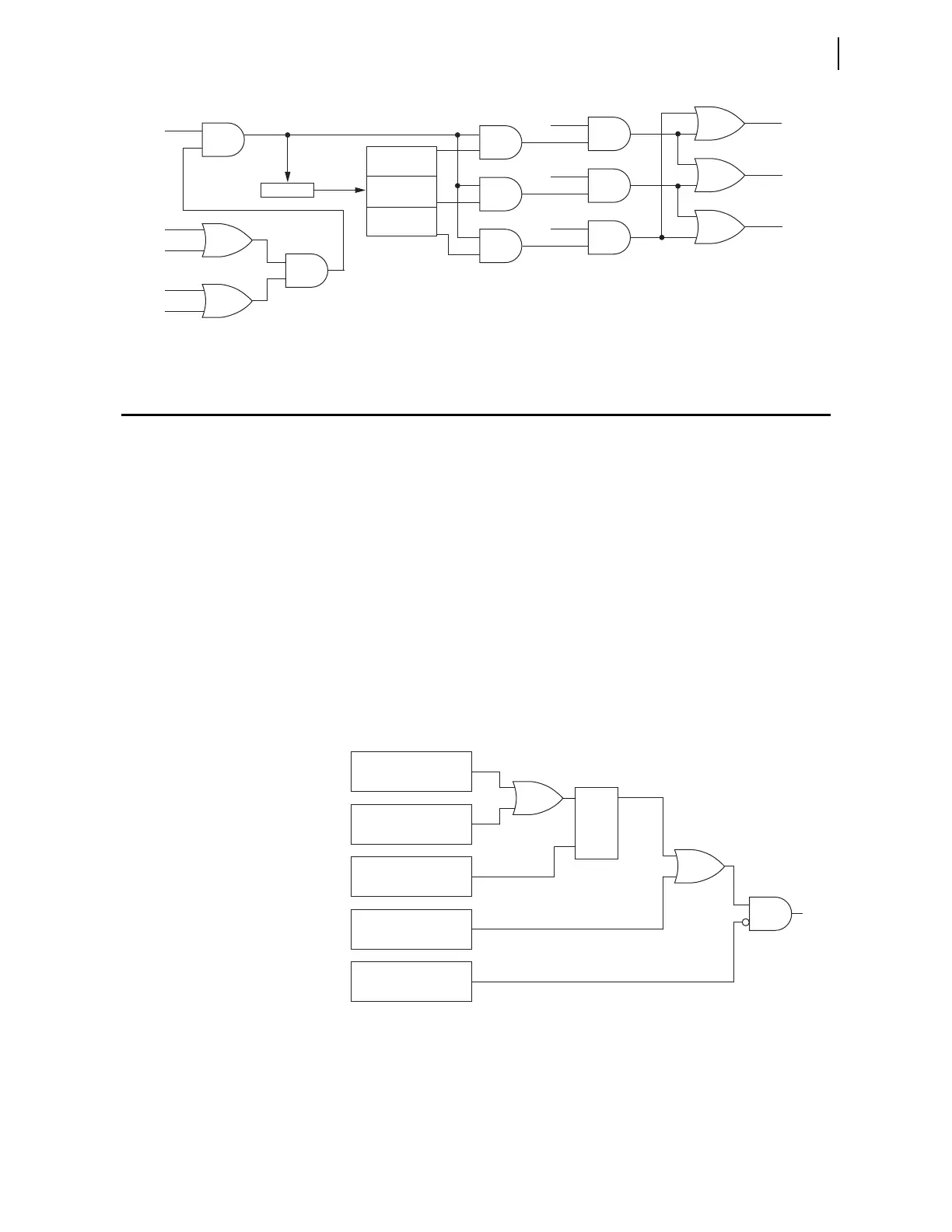
Figure 3.101 Zero-Setting OOS Blocking Function
I0LFA–IA2LFA
SPO
50QR
50QF
50GR
OSBB
OSBC
OSBA
SPOA
SPOB
SPOC
50GF
–60 to 60
ENABLE
60 to 180
–60 to –180
OR 1
AND 1
OSB
OSB_I
SD
SSD
RST
DOSB
DTF
OR 2
Latch
Swing Signature
Detector
Reset Conditions
Dependable OSB
Detector
Three-Phase
Fault Detector
S
R
Swing Center Voltage
Slope Detector


 To Next Page