P.3.305
Date Code 20151029 Protection Manual SEL-411L Relay
Protection Functions
87L Time Fallback Logic
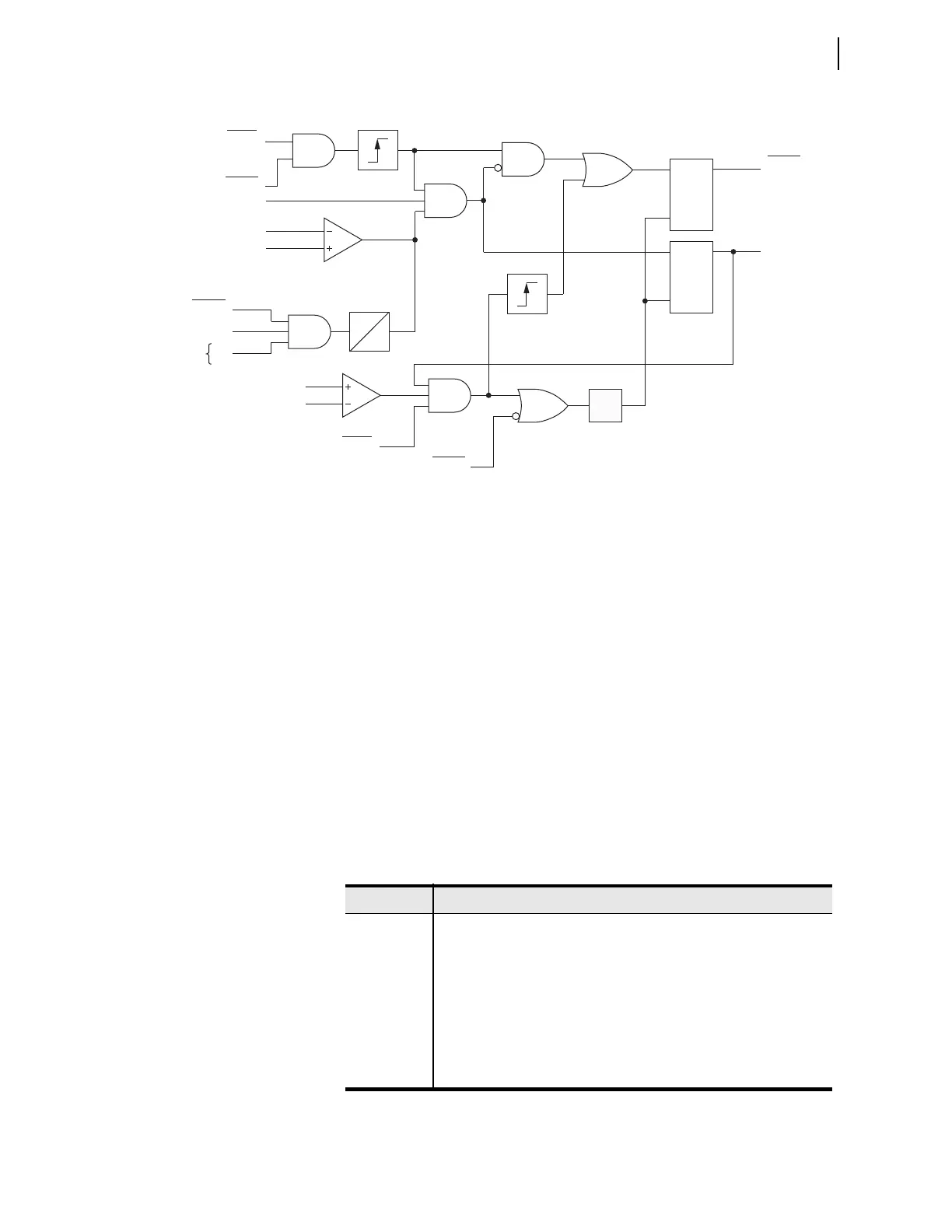
Figure 3.213 Time Fallback Modes 3 and 4 Logic
Time Fallback Mode 4
The time fallback Mode 4 is identical to Mode 3 in terms of forcing channel-
based synchronization, but it differs in how it exits the channel-based
synchronization mode. The exit strategy in this mode is biased more toward
security of the 87L function. When using the channel-based synchronization
mode during fallback (87CHpFC asserted), the relays measure the round-trip
delay and monitor for step changes in the round-trip delay (87CHpMDRT
analog measurement, see 87L Channel Monitoring and Alarming Logic for
more details). A step change indicates a channel switch. The channel could,
therefore, have become asymmetrical, even if it had been symmetrical upon
entering fallback Mode 4 and switching to channel-based synchronization. If
such is the case, the logic forces 87CHpFC to deassert and 87CHpFO to
assert. In this way, the relay abandons channel-based synchronization for this
channel and forces the channel out, letting the scheme respond as in fallback
Mode 2.
Note that if any required channel is forced to use the channel-based
synchronization method (87CHpFC asserted), the 87L function switches to
more secure Alpha Plane settings via the 87SYNL bit, as 87L Differential
Elements explains.
Relay
Word Bits
Relay
Word Bits
Relay
Word Bits
87CHpOK
Relay
Word Bits
87CHpFB
Clock offset,
p-th channel
87CHpCH
87CHpFB
87TFB = 3 or 4
1.5 ms
(Cal setting 87FBASM)
1.0 ms
(Cal setting 87FBDRT)
87TOK
ETL
87CHpFO
87CHpFC
1 s
0.1 s
Received on
the p-th
channels
Step change in round
trip delay, p-th channel
Setting
87TFB = 4
Setting
S
R
S
R
Z
–1
Table 3.162 Time Fallback Mode Relay Word Bits
Name Description
87CH1FB Time fallback mode in effect for the 87L Channel 1
87CH2FB Time fallback mode in effect for the 87L Channel 2
87CH1FO 87L Channel 1 is forced out by the time fallback logic
87CH2FO 87L Channel 2 is forced out by the time fallback logic
87CH1FC 87L Channel 1 is forced to use the channel-based synchronization mode
by the time fallback logic
87CH2FC 87L Channel 2 is forced to use the channel-based synchronization mode
by the time fallback logic


 To Next Page