P.2.8
SEL-411L Relay Protection Manual Date Code 20151029
Installation
Shared Configuration Attributes
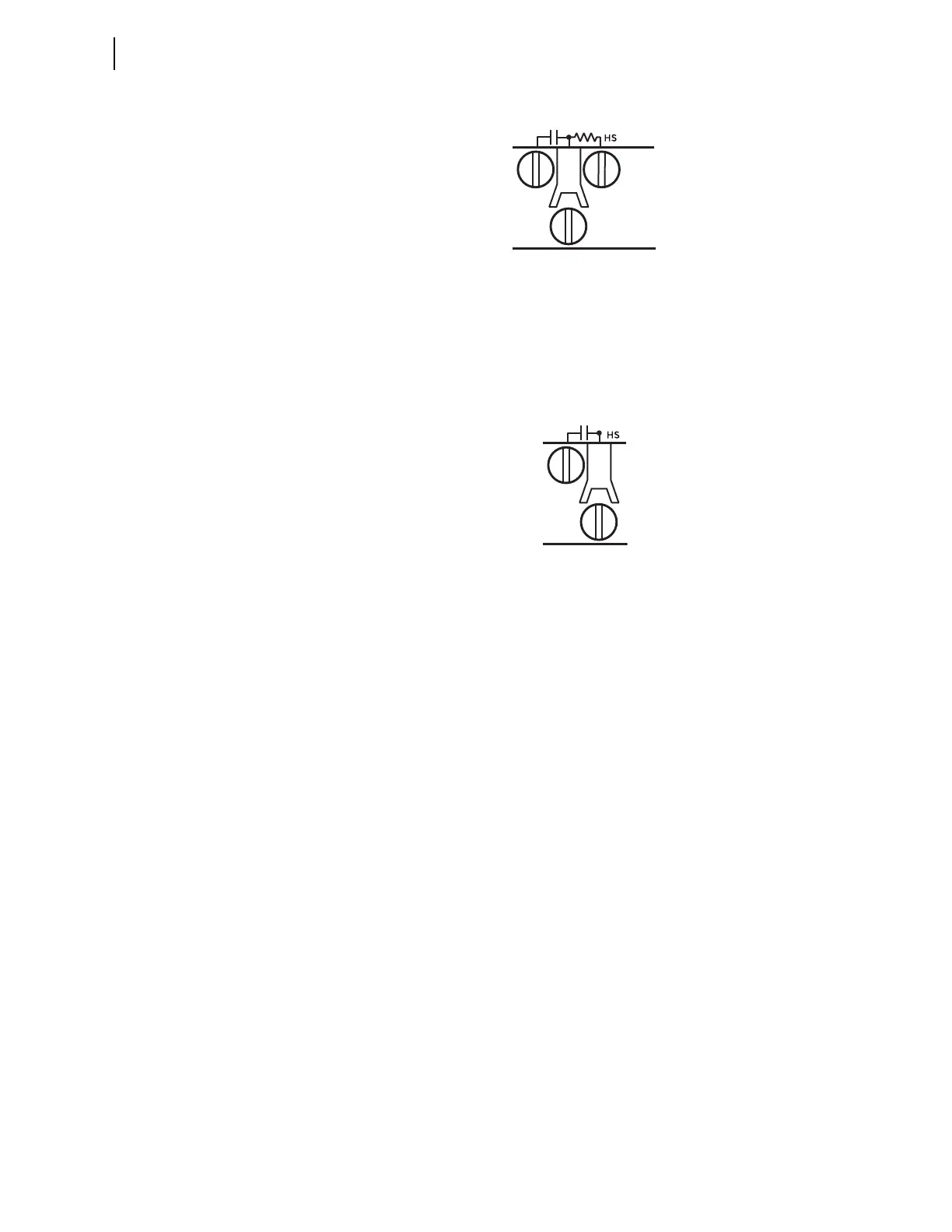
Figure 2.5 High-Speed, High-Current Interrupting Control Output
Connection, INTE
Figure 2.6 shows a representative connection for a Form A high-speed,
high-current interrupting control output on the INTC I/O interface terminals.
The HS marks are included to indicate that this is a high-speed control output.
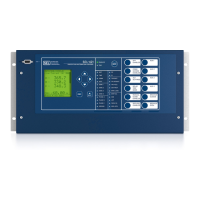
Figure 2.6 High-Speed, High-Current Interrupting Control Output
Connection, INTC
The INTE high-speed, high-current interrupting control output uses three
terminal positions, while the INTC high-speed, high-current interrupting uses
two. The third terminal of each INTE high-speed, high-current interrupting
control output is connected to precharge resistors that can be used to mitigate
transient inrush current conditions, as explained below. A similar technique
can be used with INTC board high-speed, high-current interrupting control
outputs using external resistors.
Short transient inrush current can flow at the closing of an external switch in
series with open high-speed, high-current interrupting contacts. This transient
will not energize the circuits in typical relay-coil control applications (trip
coils and close coils), and standard auxiliary relays will not pick up. However,
an extremely sensitive digital input or light-duty, high-speed auxiliary relay
can pick up for this condition. This false pick-up transient occurs when the
capacitance of the high-speed, high-current interrupting output circuitry
charges (creating a momentary short circuit that a fast, sensitive device sees as
a contact closure). A third terminal (03 in Figure 2.7) provides an internal path
for precharging the high-speed, high-current interrupting output circuit
capacitance when the circuit is open.
01 03
02
OUT01
+
01
02
OUT01
+


 To Next Page