SHA/MD5 Functional Description
www.ti.com
696
SWRU543–January 2019
Submit Documentation Feedback
Copyright © 2019, Texas Instruments Incorporated
SHA/MD5 Accelerator
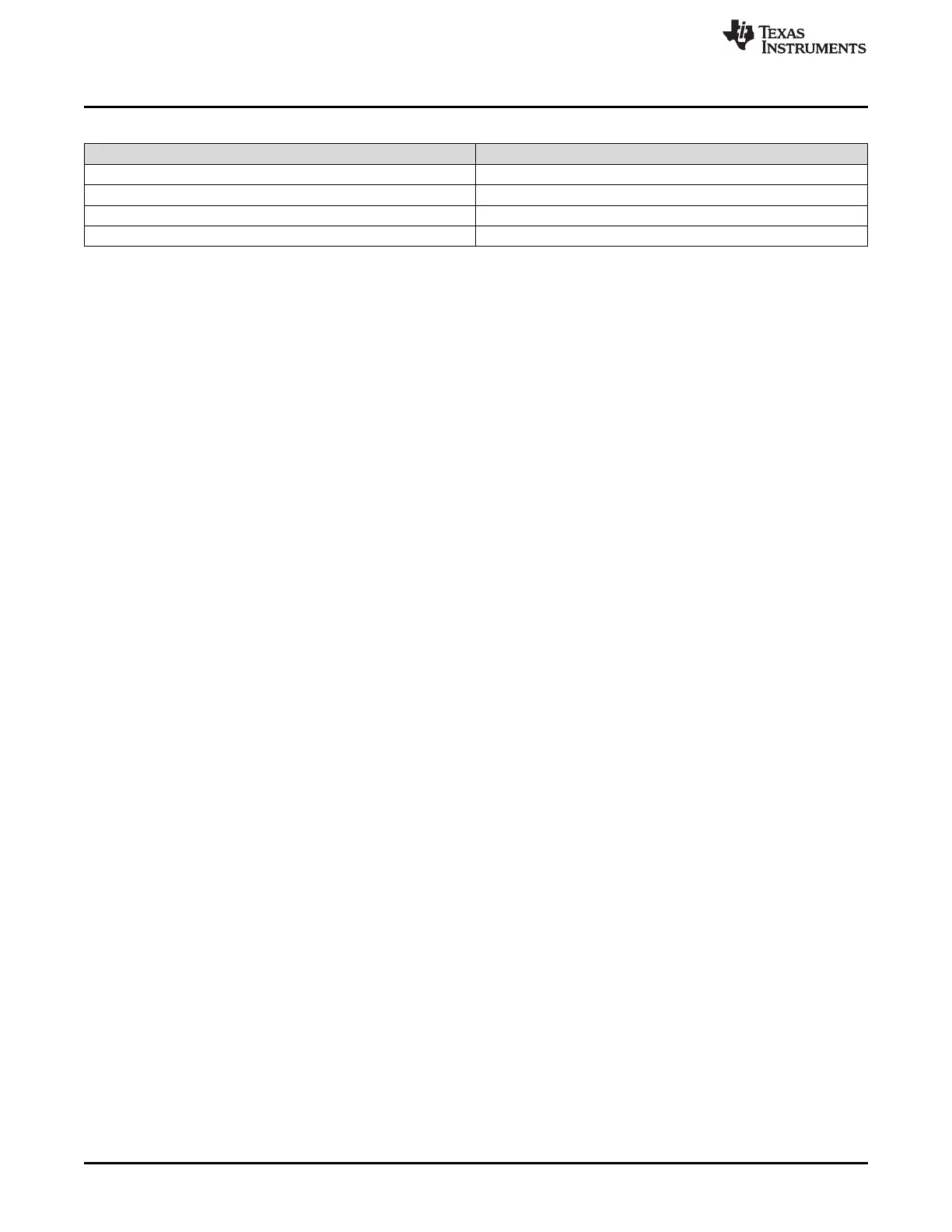
Table 19-2. SHA/MD5 Module Algorithm Selection
ALGO Field of SHAMD5_MODE Register Description
0x0 MD5 algorithm selected
0x1 SHA-1 algorithm selected
0x2 SHA-224 algorithm selected
0x3 SHA-256 algorithm selected
19.1.3.1 SHA Mode
19.1.3.1.1 Starting a New Hash
To start a new hash, follow these steps:
1. Set the ALGO bit field in the SHAMD5_MODE register to 0x1, 0x2, or 0x3 to select SHA-1, SHA-224,
or SHA-256, respectively.
2. Set the ALGO_CONSTANT bit in the SHAMD5_MODE register to 1 to initialize all SHA Inner/Outer
Digest n registers from SHAMD5_ODIGEST_A/SHAMD5_IDIGEST_A to
SHAMD5_ODIGEST_H/SHAMD5_IDIGEST_H with their default values specified by the algorithm, and
set the SHAMD5_DIGESTCOUNT register to 0.
3. Set the CLOSE_HASH bit of the SHA Mode (SHAMD5_MODE) register to let the SHA engine do the
padding. If the hash is computed in one shot, the length of the message can be any value up to
128MB. To process an intermediate hash digest, the CLOSE_HASH bit is set to 0, in which case the
packets hashed must be 64 bytes; the last packet must be hashed with the CLOSE_HASH bit set to 1.
4. Specify the LENGTH field in the SHA Length (SHAMD5_LENGTH) register of the hash data to process
in bytes.
When the configuration is complete, the INPUT_READY status bit equals 1 in the SHA Interrupt Status
(SHAMD5_IRQSTATUS) register (regardless of whether or not the M_INPUT_READY bit in the
SHAMD5_IRQENABLE register is set). When this bit is set, it indicates the SHA engine can receive the
data to process. Data must be written to the 16 × 32-bit SHAMD5_DATA_n_IN registers that provide
storage for one 64-byte block of data. Unless the CLOSE_HASH bit is set, all of the
SHAMD5_DATA_n_IN input buffers must be filled. Data can be written by single write accesses to the 16
registers from a processor or by a DMA transfer.
For µDMA transfers, the PDMA_EN bit must be set in the SHAMD5_SYSCONFIG register, and the
appropriate mask bits must be set in the SHAMD5_DMAIM register before starting the new hash. If the
µDMA is used for transfers, the SHAMD5_IRQENABLE register should be clear so all interrupts are
generated through the µDMA interrupt registers.
The µDMA must be configured to transfer 16 data words of 32 bits each time it is triggered by a µDMA
request from the SHA/MD5 module. The 16 data words written are sent to the 16 SHAMD5_DATA_n_IN
registers.
The module detects that a 64-byte block is available, then moves the data to a working register space for
processing and asserts the INPUT_READY bit in the SHAMD5_IRQSTATUS register to 1. If the
PDMA_EN bit in the SHAMD5_SYSCONFIG register has been set to 1, a new µDMA request triggers a
new block transfer; otherwise, the processor polls the INPUT_READY bit and writes the 16 data words of
32 bits when it equals 1.
This operation is repeated until the length of the message to hash is reached. The OUPUT_READY bit in
the SHAMD5_IRQSTATUS register then indicates that the hash operation is complete. If the PIT_EN bit in
the SHAMD5_SYSCONFIG register is set, an interrupt (active low) is also generated to indicate the hash
completion.
The processor can then read the eight digest registers A to H that contain the hash or HMAC result. If the
hash is an intermediate result of a larger hash, the digest count register must also be read and saved. See
Table 19-3 and Table 19-4.





 To Next Page